Quick answer: Use small, double-walled boxes and line the bottom with crumpled packing paper. Wrap each item on its own, fill every empty space, and pack plates on edge. Keep TVs and mirrors upright. Label each box FRAGILE on at least two sides, and load fragile boxes last and on top.
Your house is likely filled with fragile items that need to be moved with care when relocating. To avoid breakage, it’s important to pack those items with the proper supplies. Even better, you should hire a professional mover to pack them for you! But here are some tips on how to pack items such as dishes, glasses, electronics, mirrors, jewelry, lamps, fish tanks, and antique furniture.
Take an Inventory
First off, you’ll need to create an inventory that details all your fragile items. This will help you determine how many packing supplies you will need. Take this time to determine what absolutely must come with you and what can be tossed, donated or sold beforehand. Our list of things to toss before your next DFW move can help you decide.
Take photos of your most valuable pieces, too. Photos show the condition of each item before the move, which helps if you ever need to file a claim.
Pick Up Packing Supplies
You will need:
- Cardboard boxes and dish packs (double-walled to protect dishes)
- Small and medium boxes for heavy breakables
- Cell dividers for glasses and stemware
- Picture and mirror boxes
- Packing paper (soft acid-free and ink-free packing paper)
- Bubble wrap
- Packing tape and painter’s tape
- Moving blankets for TVs, mirrors, and furniture
- Markers
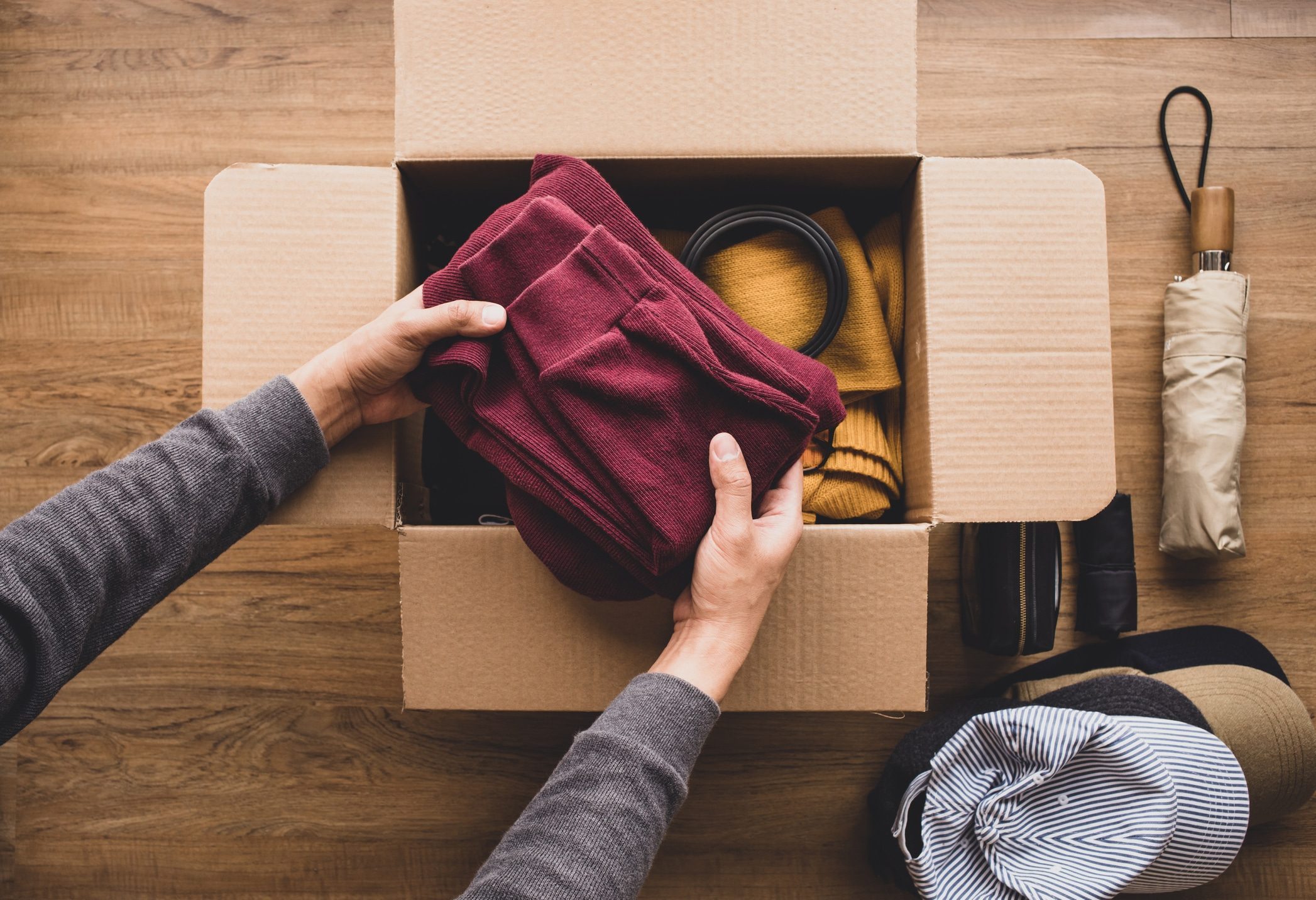
Skip newspaper for anything that touches your dishes, art, or furniture. The ink can rub off and stain. If you run short on bubble wrap, clean towels, linens, and sweaters make good padding and save box space.
Choose the Right Boxes
Small boxes are best for heavy fragile items like dishes, vases, and figurines. They limit how much items can shift, and they’re easier to carry. Large boxes filled with breakables get too heavy and are more likely to be dropped.
Keep each box under about 50 pounds, and dish boxes closer to 30 to 40 pounds. Avoid flimsy, reused grocery boxes. Weak corners and soft bottoms give out under the weight of dishes.
Secure the Boxes
Fragile items can also be quite heavy, and you don’t want the boxes to collapse under the weight of what’s inside. Tape the bottoms and the sides of each box and place a layer of crumpled packing paper at the bottom to act as a cushion.
Wrap and Cushion Every Item
Wrap each item on its own so nothing touches glass to glass. Crumple the paper slightly as you go. The air pockets absorb shock better than a tight, flat wrap.
Put the heaviest items on the bottom of the box and the lightest on top. Fill every gap with crumpled paper so nothing can shift. Before you tape the lid shut, give the box a gentle shake. If you hear clinking or feel movement, add more paper.
Label the Boxes
Label each box with the contents and destination room. Mark each box FRAGILE as well, on at least two sides, and add arrows pointing up. This will save time when unpacking, and it will alert your movers as to which boxes need to be handled with extra care.
How to Pack Specific Fragile Items
How to Pack Plates
Use dish pack boxes if you can. Place a sheet of packing paper between each dish. Once you have a stack, place them in the box on their edges, not one on top of the other. Stacking plates flat puts the full weight on the bottom plates, and one bump can crack them. Fill empty spaces with packing paper to avoid shifting during transport. Tape the lid shut. Our guide on how to pack dishes for moving covers serving pieces and cookware, too.
How to Pack Bowls, Mugs, and Vases
Wrap each bowl in packing paper. Nest bowls of the same size together with a sheet of paper between them, then wrap the stack as a bundle.
Mugs and vases are hollow, which makes them weak. Stuff them with crumpled paper first, then wrap them. Wrap mug handles with an extra layer of paper, since handles snap easily. Pack vases standing up, with plenty of padding on every side.
How to Pack Glasses
Place one glass on top of a stack of wrapping paper, tucking each corner into the glass. Tape each one. For stemware pieces, wrap in bubble wrap. Place glasses in the dish pack standing up, one next to the other. Use cell dividers if you have them so the glasses never touch. Never lay glasses on their sides. Fill gaps with paper.
How to Pack Electronics
Back up your data first. Then, use original boxes if you still have them to pack each item in. Before unplugging TVs and other devices, take a photo of the wire configuration so you know how to set it back up in the new place.
Place cardboard pieces over screens, wrapping each electronic item in packing paper, then bubble wrap. Wrap large items such as monitors and TVs in furniture blankets. Keep flat-screen TVs upright the whole time. Never lay a TV flat or stack anything on it.
Pack accessories such as cables, remotes, chargers, and battery packs in separate, smaller cardboard boxes. For computers and home theater gear, see our tips on how to move electronics safely.
How to Pack Pictures and Mirrors
Pick up some specialized picture moving boxes. Make an X on the glass area of the picture with painter’s tape, then place cardboard pieces over those sections. Wrap the whole thing with packing paper, just like you would a present. Wrap in bubble wrap, then place into the specialty boxes as directed.
Protect the frame corners with cardboard, since corners take most of the hits. Always stand pictures and mirrors on their edges, never flat. For more detail, see our full guide on how to pack pictures and mirrors.
How to Pack Lamps
Lamps and lampshades are breakable, no doubt, but they’re also awkward to pack correctly. If you have the original box, use it. If not, use a standard cardboard box, filling the spaces with packing paper or bubble wrap. Disassemble the lamps as much as you can, taking off the shade and packing the light bulb separately but in the same box. Secure the cord with a zip tie.
Lampshades dent and crease easily. Wrap each shade in clean packing paper, not newspaper, and pack it in its own box with nothing heavy on top.
How to Pack Jewelry
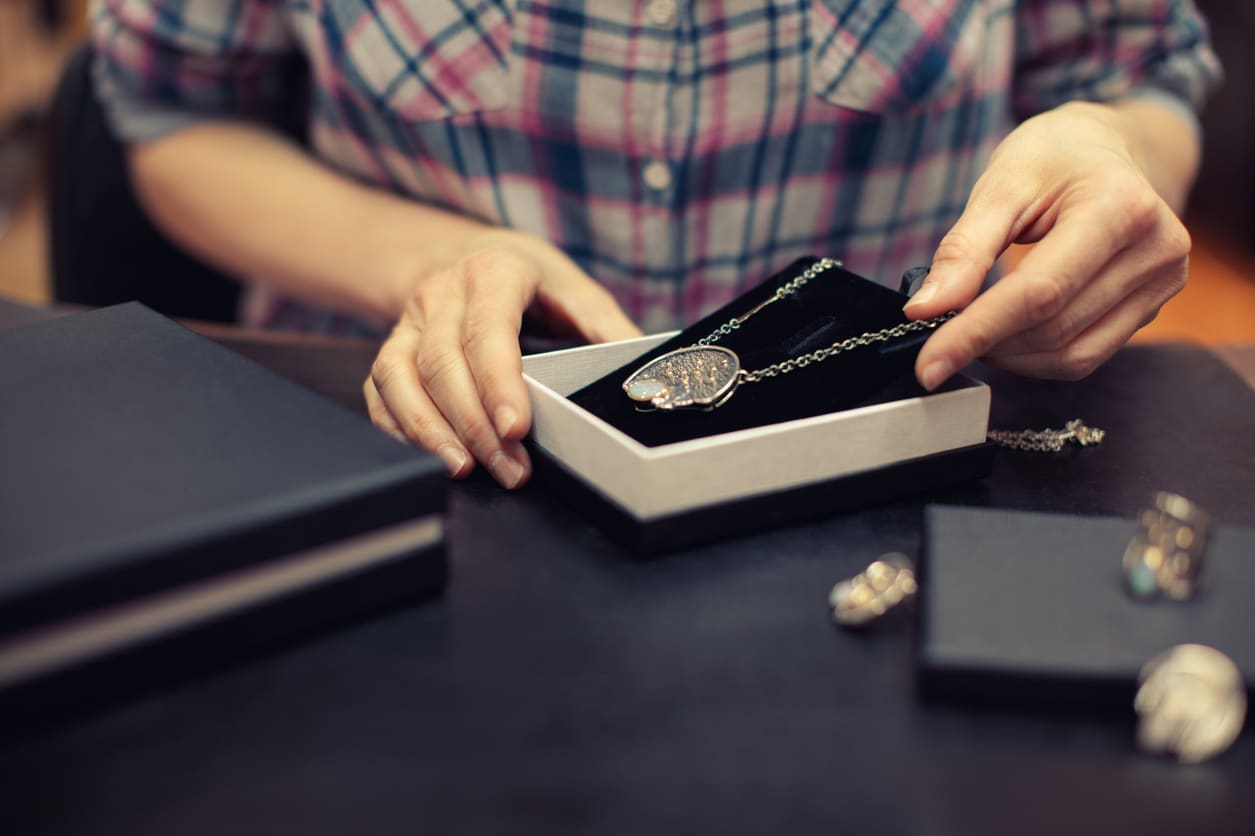
Sort all your jewelry first by type, on a flat surface. Get rid of anything that’s broken. If you have a jewelry box, use that to transport your items. If not, you can use egg cartons, pill organizers, drinking straws, toilet paper rolls and rubber bands.
For necklaces, slip the long chains through straws or toilet paper rolls and secure them. Wrap in plastic wrap, and then packing paper, securing with tape. Place all bundles in shoe boxes and label them.
Bracelets can be wrapped in packing paper. For earrings, slide the hooks through thin cardboard cut-outs, then wrap in plastic wrap. Wrap rings in paper, then place each bundle into one cup of an egg carton.
Keep valuable jewelry with you in your car on moving day. It shouldn’t ride in the truck. Read more on how to pack up jewelry before a big move.
How to Pack Antique Furniture
Take an inventory of what you have. It’s also a good idea to take photos. Remove all contents of drawers and remove all accessories such as knobs, doors, legs and shelves.
Wrap each piece of furniture in wrapping paper first, then bubble wrap. Keep the paper layer between the plastic and the wood, since plastic against a finish can trap moisture. Do not apply tape directly to the finish. Wrap the whole piece with a thick furniture blanket. Then, protect the item with cutouts of thick cardboard.
Learn more in the truth about packing antiques. For high-value or one-of-a-kind pieces, our piano and antique movers and fine art movers handle the packing and transport for you.
How to Pack a Fish Tank
Move your fish first. Transfer them into bags or a clean bucket filled with water from their own tank. Fish should ride with you in your car, not in the moving truck.
Drain the rest of the water out of the tank and put into a bucket. Remove decorations such as rocks, castles, artificial plants, and signs, drying and wrapping with soft packing paper.
Then, remove all fish tank equipment and accessories such as heaters, pumps, light fixtures, and filters, wrapping them in packing paper and then bubble wrap. Place everything into a cardboard box. Let the heater cool before you remove it. Keep the filter media wet in a sealed bag or container of tank water, since it holds the healthy bacteria your tank needs.
Remove gravel from the bottom of the tank and place into a bucket. Use a gravel vacuum or siphon to clear any leftover debris, then wipe the tank clean and dry. Never lift a tank that still has water or gravel inside, as the weight can crack the glass or stress the seams. Wrap the tank in three protective layers: wrapping paper, bubble wrap, and furniture blankets. Keep the fish tank as level as you can during transport so it doesn’t shift or fall over.
For the full process, see how to move a fish tank in 7 steps.
Load Fragile Boxes Last and On Top
Even a well-packed box can break if it ends up under something heavy. Load fragile boxes last, on top of heavier, sturdier boxes, and never stack anything heavy on them. Our guide on how to pack a moving truck like the pros covers where fragile boxes go in each tier.
In a North Texas summer, a closed truck heats up fast. Candles, vinyl records, photos, and electronics can warp or fail in that heat. Move them in your air-conditioned car instead. See more tips for surviving a summer move.
Know What’s Covered if Something Breaks
In Texas, basic mover liability is usually limited to 60 cents per pound per item unless you agree to a higher level in writing. Our standard valuation works the same way. That means a 50-pound TV damaged in a move would only be reimbursed $30, no matter what it cost. This is not insurance, and it rarely covers the true value of fragile items.
Who packed the box matters, too. The FMCSA notes that if you pack your own boxes, it may be more difficult to establish a claim for items damaged inside them. That’s one reason many people have their movers pack the most valuable and fragile pieces.
Before moving day, check whether your homeowner’s or renter’s insurance covers your belongings in transit. You can also read about replacement value coverage on our moving insurance page.
Unpack Carefully
When you unpack, open fragile boxes over a soft surface and check the paper before you throw it out. Small pieces like earrings and lids are easy to miss. Inspect each item as it comes out, and note any damage right away.
Frequently Asked Questions About Packing Fragile Items
How do you pack fragile items without bubble wrap?
Use crumpled packing paper, towels, linens, blankets, and soft clothing. Wrap each item fully and fill every gap so nothing can shift.
Should plates be packed flat or on edge?
On edge, standing up like records in a crate. A sheet of paper between every plate and a dish pack with snug padding matter more than how many plates you fit in the box.
What is the hardest room to pack when moving?
The kitchen. It has the most breakables per square foot, from plates and glasses to small appliances. Start packing it early, and save only the essentials for the last few days.
Can movers pack just my fragile items?
Yes. Olde World Movers offers partial packing as well as full packing. You can pack the everyday items yourself and leave the dishes, art, electronics, and antiques to our crew.
How should you store breakables long term?
Pack them the same way you would for a move, with extra padding and no empty space in the box. Store them in a climate-controlled unit to protect them from Texas heat and humidity. We offer climate-controlled storage in Euless.
Contact Olde World Movers
Packing fragile items can be stressful, as you don’t want to under-pack and risk damage to your expensive items. But with the right attention to detail and TLC, you can pack your most delicate items so they make the move unscathed.
If you have fragile items like the above to pack and don’t have the supplies or time to do it, let our team handle this for you. Olde World Movers was founded in 1988 and has served Dallas-Fort Worth since 1991. We’re licensed with the Texas DMV (No. 006273576C). Our crews pack fragile items for every local residential move and long-distance move we handle.
Get a free quote when you request a free estimate online or contact us today.