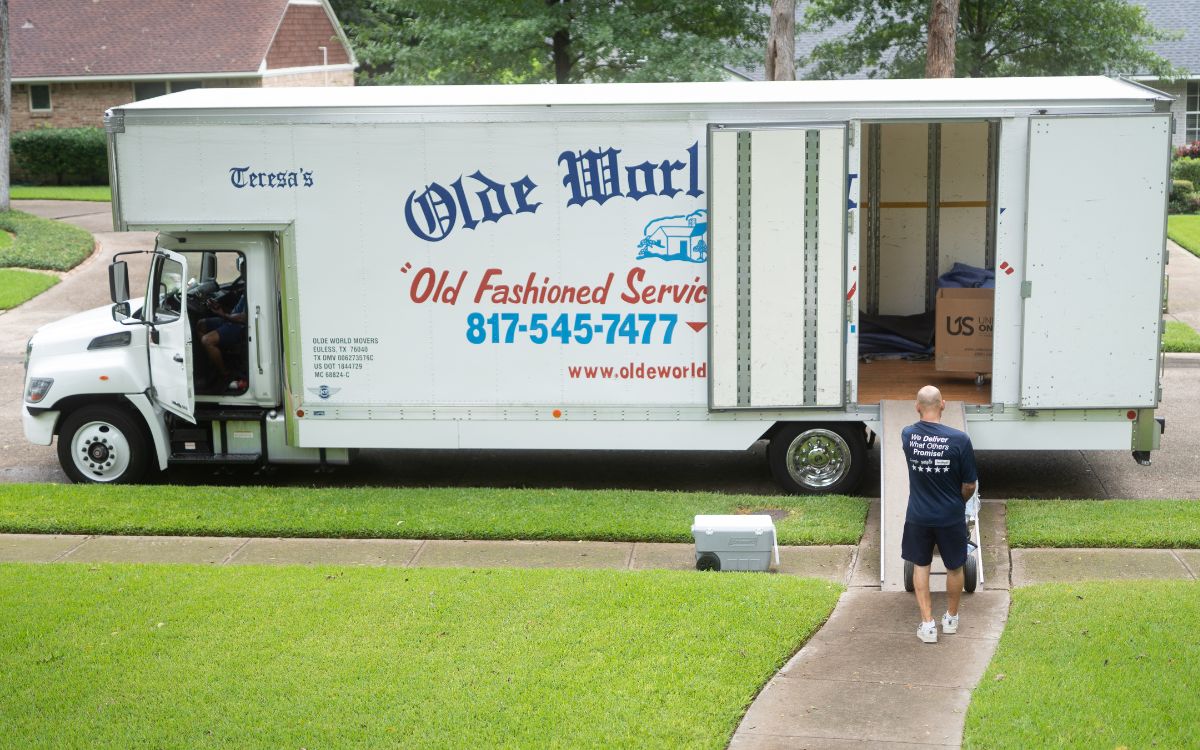
You have a moving day in mind and your movers are booked. Now it’s time to gather your supplies and get to work. You will need cardboard boxes, packing paper, tape, packing peanuts, bubble wrap and markers. But don’t forget the moving blankets. These protect your furniture and the surrounding environment, including stairs, walls and floors.

What Are Moving Blankets and What Do They Do?
A moving blanket is a thick, padded cover that wraps around furniture and appliances during a move. Movers also call them furniture pads, moving pads, packing blankets and furniture blankets. All of these terms describe the same product.
The blanket absorbs shock and friction. That keeps your beds, bookcases, end tables and other large items safe during transport. It also shields your prized possessions from the damage that happens in the chaos of moving day.
Moving Blankets vs. Furniture Pads
Suppliers use the two names interchangeably. In daily use, movers say “furniture pad” for lighter covers and “moving blanket” for heavier quilted ones. Weight is the real difference, not the name.
A light pad handles short local hops. A quilted blanket over five pounds is what you want for long hauls and storage.
Choose the Right Kind of Moving Blankets
Not all blankets are equal. Some use poor quality material and rip easily. That is a good reason not to rent cheap moving blankets, because you will end up paying for the damage. Stick with blankets padded with a strong outer quilted fabric.
Check three specs before you buy or rent:
- Weight. Economy pads run light. Professional-grade quilted pads weigh more than five pounds and hold far more padding.
- Stitching. A double-stitched border stops the edges from fraying after a few uses.
- Size. Most blankets measure about 72 by 80 inches. Some run 68 by 85 inches. Either size covers a standard dresser, sofa or appliance.
Blankets without extra padding perform poorly. They do less to protect your items and your walls and floors. If you plan to slide furniture on a blanket, skip single-layer versions because they tear under load.
When to Use Moving Blankets
Professional movers in Fort Worth use moving blankets on every job. Hire movers and they bring the blankets and wrap your furniture as needed. Handle the move yourself and you have to rent or buy them, which adds to your costs. You also have to wrap them and care for them on your own.
These cushioned blankets absorb shock. That prevents breakage of anything from tables and chairs to pianos and bureaus. Use blankets to protect corners, banisters and doorways too. Wrap any damage-prone item or spot in your home so it gets an extra layer of protection.
Which Items Need a Moving Blanket
Wrap these first:
- Sofas, dressers, headboards, dining tables and bookcases
- Refrigerators, washers, dryers and other appliances
- Televisions, monitors and glass-front cabinets
- Framed artwork, plus any pictures and mirrors you plan to move
- Marble tops, glass shelves and stone surfaces
Some pieces need more than a blanket. Pianos, antiques and sculpture usually call for piano and antique moving with custom crating. Our fine art movers in Dallas Fort Worth pad and crate high-value work separately. Smaller breakables belong in a box, so review our guide on packing fragile items first.

How Many Moving Blankets Do You Need?
Plan on at least one blanket per large item. Oversized pieces need two or three.
Walk through your home and count every piece you want wrapped. That count is your baseline. Then add spares for anything oversized, fragile or irreplaceable.
As a rough planning estimate, a one-bedroom home runs about 12 to 15 blankets. A three-bedroom home runs closer to 30 or 40. Running short on moving day costs you more than a few extra blankets.
How to Use Moving Blankets
Furniture blankets measure about six or seven feet on either side. They include filler such as cotton, nylon and polyester stitched together. They resemble bedspreads in many ways, but they are sturdier, heavier and more durable. Most are two-sided, with one lighter face and one darker face.
Use the lighter side against your furniture, with the darker side facing out. Then work through these steps.
- Clear the item. Empty drawers, remove loose shelves and wipe off dust. Grit trapped under a blanket scratches the finish.
- Drape the blanket. Center it so every side is covered and the edges reach the bottom. Add a second blanket for oversized pieces.
- Secure the wrap. Hold the blanket tight before anyone lifts the item.
- Load with padding in mind. Keep wrapped pieces off bare truck walls.
How to Secure Moving Blankets to Furniture
Stretch wrap is the standard. Work from the top down and overlap each pass by about half. A few turns give you a snug hold and leave no residue.
Rubber moving bands work well for quick local jobs. Moving straps and packing tape also hold a blanket in place. Never run tape directly against wood, leather or a painted surface, because the adhesive pulls the finish off.
How to Pad a Moving Truck
Blankets do more than wrap furniture. Line the truck walls so nothing rubs bare metal. Lay blankets on the floor under anything you plan to drag. Slide a blanket between stacked pieces so hard edges never touch.
Fill the gaps too. If you are preparing for a long distance move, pack spare blankets into the spaces between furniture and boxes. Shifting in transit is what breaks things. Wrap plastic over the blankets if the forecast calls for rain, because blankets are not waterproof. Our guide on how to pack a moving truck like the pros covers loading order. Our tips on how to pack heavy items cover weight distribution.
Should You Buy or Rent Moving Blankets?
Rent if this is a one-time move. Rental costs a few dollars per blanket and you hand them back when you finish. Truck rental companies and moving supply stores both carry them.
Buy if you move often, store furniture, or run a business that shifts equipment. Good blankets last for years, and you will reuse them around the house.
Used blankets are the cheapest option, but inspect them first. Look for tears, thin spots and broken stitching before you trust one with a dresser.
Hire full-service movers and the question goes away. Blankets arrive with the crew, along with the labor to wrap everything correctly. Ask what your quote includes when you book local residential moves.
Moving Blanket Mistakes That Cause Damage
- Wrapping over dust and grit, which grinds into the finish
- Taping directly onto wood, leather or paint
- Using one blanket on an oversized piece and leaving the corners bare
- Wrapping damp items, which traps moisture against the surface
- Skipping blankets between stacked items in the truck
- Trusting thin single-layer pads to slide heavy furniture
Damage usually traces back to items that were loaded fast and padded poorly. Wrapping a dresser takes minutes. Refinishing one takes weeks.
Why Are Moving Blankets Important?
They are an easy and inexpensive way to prepare your heavy items for the move. Put them on your moving supplies list for these reasons and more:
- Blankets protect furniture such as tables and dressers from nicks, dents and scratches.
- They keep fragile items like vases and lamps from breaking.
- They shield your belongings from dirt, dust and debris.
- They prevent mirrors and glass-framed artwork from shattering.
- They protect your floors, walls, ceilings, railings and stairs when large items move through.
Moving Blankets and Your Mover’s Liability
Padding protects your claim, not just your furniture. Most moving guides skip this part.
A licensed Texas mover carries standard liability of 60 cents per pound per item. That figure comes from the Texas Department of Motor Vehicles. Interstate moves follow the same released value rule under federal FMCSA regulations. At that rate, a damaged 50-pound television pays out $30.
So padding is your first line of defense, and higher coverage is your second. Review our page on moving insurance before you sign a bill of lading. You have 90 days to file a written claim on a Texas move and nine months on an interstate move.
How to Clean, Store and Reuse Moving Blankets
Shake your blankets out and air them before folding. Damp blankets grow mildew in storage.
Most cotton and polyester blankets handle a cold gentle wash. Heavy quilted blankets need a commercial machine. Check the tag, skip the fabric softener and air dry them so the padding does not clump.
Store folded blankets somewhere dry. Is your furniture headed to climate controlled storage in Euless? Leave the blankets on the pieces instead of folding them away.
Old blankets still earn their keep. Use them as workshop mats, garage floor protection or pet bedding. They also dampen sound in a practice room.
Moving Blanket FAQs
Do I really need moving blankets?
Yes, for anything large, wooden, glass or valuable. Bumps in transit cause most furniture damage, and blankets absorb that shock.
What can I use instead of moving blankets?
Old comforters, thick towels and flattened cardboard work in a pinch. They pad far less and slip more, so save them for short local trips.
How many moving blankets do I need?
Count one per large item, then add spares for oversized and fragile pieces.
Can moving blankets be washed?
Most can. Use cold water on a gentle cycle and air dry. Heavy quilted blankets need a commercial washer.
Are moving blankets waterproof?
No. Cover them with plastic if rain is in the forecast.
Do movers bring their own moving blankets?
Licensed movers do. Ask what your quote includes before moving day.
Contact Olde World Movers
Do you need help with packing and moving in the DFW metro area? Our professionals bring all the right supplies, including moving blankets, to ensure a safe, damage-free relocation. Book professional packing services in Fort Worth and we handle the wrapping for you. Call for a free quote in Fort Worth at (817) 672-9823, Euless at (817) 374-4316 or Frisco at (972) 479-5294. You can also fill out our Free Estimate form for a quick reply or email us at info@oldeworldmovers.com.