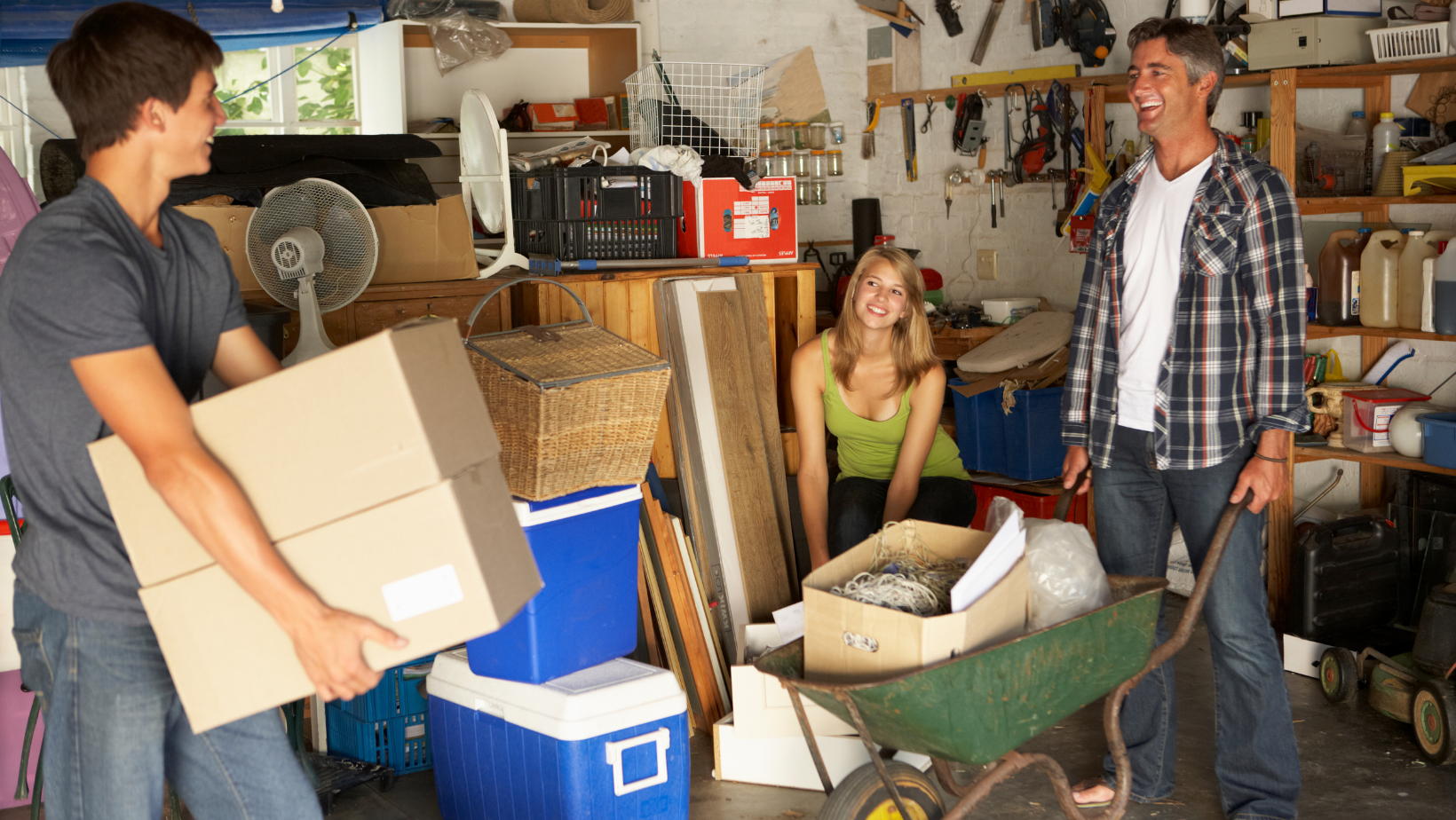
You have spent weeks getting ready for this move. You gathered boxes, packed late into the night, and set up utilities at the new place. Now moving day is finally here. So what do you do while the pros work? Twiddle your thumbs? Stay out of the way? Jump in and help? The line can feel blurry, especially if you like to be in the thick of things.
Here are the things you can do to make moving day easier while the crew handles the heavy lifting.
Pack and Label Your Boxes Before Moving Day
Saving time and money on moving day starts before the crew arrives. Pack as much as you can and label every box clearly. Empty your dresser drawers, sort items into boxes, and write the destination room on each one. Your movers can then walk in and set each box down in the right room with no guesswork. Packing yourself also saves money, since you skip the packing labor fee.
Label fragile boxes on the top and sides, and pack fragile items with extra padding so nothing shifts in transit. Short on time? Olde World Movers can handle the packing for a small extra fee.
Clear Pathways and Sort Out Parking for the Movers
Give the crew a clear route before they carry a single box. Walk through your home and move anything that blocks a hallway, doorway, or staircase. Decide where the truck should park, and clear your driveway or coordinate a spot with your building.
Before they start, take two minutes to brief the crew:
- Point out fragile, heavy, or oddly shaped items that need extra care.
- Flag tricky spots like narrow stairs, low ceilings, or tight corners.
- Share gate codes, elevator access, and any HOA or apartment parking rules.
- Show them the restroom and where the water is.
If you are moving in winter, shovel and salt the walkways so no one slips. A few minutes of prep here keeps the whole day moving faster.
Keep Small, Fragile, or Valuable Items With You
Good movers take real care with your belongings. Still, accidents happen. Vases break, screens crack, and small electronics get misplaced in the rush. For peace of mind, carry your most important items in your own car. That includes jewelry, cash, passports, medications, laptops, and small high-value items. They stay with you all day, so you never wonder where they are.
Some items should never go on the truck at all. Movers will not load hazardous or perishable goods. Set these aside in a clearly marked “do not pack” spot and take them yourself:
- Gasoline, propane tanks, paint, aerosols, and cleaning chemicals
- Ammunition and fireworks
- Plants and perishable food
Empty and defrost the fridge before the crew arrives, since leftover food cannot ride along. For fine art, antiques, or anything irreplaceable, ask about our art and valuables handling and moving insurance options so you know exactly how your items are covered.
Offer the Moving Crew Water and Snacks
Yes, you paid for professionals, and yes, moving is their job. But the work is still hard. Your crew will work up a real sweat, especially during a Texas summer. Cold water and sports drinks go a long way, and they cost you very little. Want to do more? Set out grab-and-go snacks like granola bars, peanut butter crackers, or fruit. On a long day, a lunch break or a few pizzas keeps everyone fueled.
Keep Kids and Pets Safely Out of the Way
Moving day is busy and a little chaotic, and that is exactly why kids and pets need a safe spot away from the action. A curious child or an excited dog underfoot can get hurt when the crew is carrying heavy boxes and furniture.
The easiest fix is to arrange care for the day. A sitter, a relative, or a friend gives everyone room to work. If that is not an option, set the kids up in one empty room with toys or a tablet, and keep pets in a closed room or crate with food and water. For more help with a move like this, see our tips for families moving with young children. Keeping little ones and pets clear also lowers the odds of a moving-day injury for you and the crew.
Let the Movers Do Their Job, but Stay Reachable
You have done your part. Now let the crew do theirs. You hired pros for a reason, so resist the urge to tell them how to carry each box or where to set the couch. They move furniture every day and know how to do it safely.
That said, do not disappear. Stay on-site for the whole move, or leave a trusted person there in your place. Give the crew lead your phone number so they can reach you fast with a question about access, parking, or a specific item. Point things out when needed, then step back and let them work.
Have Payment Ready and Know How Much to Tip Movers
Nothing stalls the end of a smooth move like scrambling for payment. Confirm the payment method with your moving company the day before, and have it ready to go. If you plan to tip in cash, pull it out in small bills ahead of time so no one waits on an ATM run.
Tipping is not required, but it is a common way to thank a crew that did good work. A few current guidelines:
- Local move: about $20 to $50 per mover, or roughly $5 per mover per hour.
- Full-day or long-distance move: $40 to $100 per mover, or 10% to 20% of the total cost.
- Tip more for lots of stairs, heavy or specialty items, bad weather, or a job that ran long.
Hand each mover their share directly at the end of the job. Short on cash? A sincere thank-you, a cold drink, and an honest online review still mean a lot.
Do a Final Walk-Through Before the Truck Pulls Away
Before the crew closes the truck, do one last walk-through of your old place. Check the easy-to-miss spots where things hide:
- Closets, cabinets, and drawers
- The attic, garage, and basement
- Behind doors and under sinks
- The washer, dryer, and dishwasher
Confirm that everything you expected on the truck is actually loaded, then double-check the delivery address and directions with the driver. If you are leaving a rental, a quick clean now helps protect your deposit. Our cleaning tips for a move-out make that last pass faster.
What to Do While Movers Are Working: FAQs
Should I help my movers carry boxes?
No. Most movers prefer that you stay out of the way so they can work safely and quickly. There can also be liability issues if you get hurt helping. Handle other tasks instead, like a final clean or a walk-through.
How much should I tip movers?
Tipping is optional but common for good service. A typical local tip is $20 to $50 per mover, or about $5 per mover per hour. For long or long-distance moves, 10% to 20% of the total is a common range.
Should I be home while the movers work?
Yes. Stay on-site to answer questions and point out fragile or valuable items, or leave a trusted person in your place. Make sure the crew has your phone number either way.
What will movers not move?
Movers will not load hazardous or perishable items, such as gasoline, propane, paint, chemicals, ammunition, plants, or food. Set these aside and take them in your own car.
Do I need to empty my dresser drawers before movers arrive?
Yes, in most cases. Empty drawers are lighter and safer to carry, and loose items can shift or fall during the move. Pack the contents in labeled boxes instead.
Get a Free Moving Quote from Olde World Movers
Scheduling your move across the Dallas-Fort Worth area is simple. It starts with a free moving estimate and a quick chat about what you need. Our local Fort Worth and Dallas movers handle the heavy lifting so your day runs smooth. Contact us today to book your move. For more help getting ready, browse our moving tips and guides.