Relocating your home or business is stressful on its own. When your move involves transporting valuable fine art, antiques, or fragile collectibles, the stakes multiply fast. Whether you are a private collector in Fort Worth’s Cultural District, a gallery owner in Frisco Square, or preparing to relocate antique heirlooms from your historic Euless home, protecting these high-value items should be your top priority.
At Olde World Movers, we have helped Texans relocate fine art for nearly three decades. From classic oil paintings and bronze sculptures to priceless heirlooms and museum-quality collections, this guide gathers our most trusted packing, handling, and moving tips to protect your investment during your next move.
Start With a Detailed Art Inventory
First, create an inventory of all the valuable artwork and paintings in your home. Photograph each piece, note its dimensions, and record any existing damage. This documentation serves two purposes: it helps you decide what to pack yourself versus what needs professional handling, and it creates a record for insurance claims if something goes wrong.
If your inventory includes large, delicate, or expensive pieces, hire your mover to handle this task. Professional fine art movers have the equipment, tools, and training to get the job done right. You will also want to have valuable items appraised and insured before your move date.

Buy the Right Packing Supplies Before You Start
Having the proper supplies on hand before you touch a single frame is non-negotiable. The type of supplies you need will vary with the size and nature of each item.
For glass-framed prints, you will need special mirror or art cartons designed to protect against breakage. Corner protectors prevent chipping on frames. For sculptures, bubble wrap and foam fillers act as a buffer against impact.
Here is a checklist broken down by art type:
For paintings and framed art:
- Acid-free glassine paper
- Corner protectors
- Bubble wrap (double layered, taped securely)
- Cardboard spacers
- Mirror or art cartons (adjustable telescoping boxes)
- Optional: custom foam or plywood crates for high-value pieces
For sculptures and 3D art:
- Polyethylene foam sheeting
- Crated wooden bases
- Shock-absorbent fillers (such as foam-in-place systems)
- Non-abrasive blankets or shrink wrap
For antique furniture or woodwork:
- Furniture pads
- Climate-controlled storage wraps
- Foam-lined custom crates
- Felt blankets to prevent chafing
How to Pack Fine Art for Moving: Step by Step
This section walks you through the actual packing process for each type of artwork. Follow these steps whether you are moving across Fort Worth or relocating out of Texas entirely.
Protect Framed Pieces With Glass
When packaging glass frames, place two strips of painter’s tape over the glass in an X pattern, stretching from corner to corner. This prevents the glass from shattering and gouging the artwork if it breaks during transit.
After taping, place corner protectors around all four edges. Wrap the piece in a layer of packing paper. Then sandwich it between two pieces of cardboard. Finally, wrap the entire package in bubble wrap and place it in a telescoping art box.
Key rule: Always pack framed art standing upright in the box, the same way it hangs on the wall. Laying it flat puts pressure on the glass and increases the chance of breakage.
Protect Paint on Unframed Canvas Art
If your artwork does not have glass, you need extra precautions for the canvas surface. Bubble wrap plastic can stick to paint, especially in storage or warm conditions. Do not use it directly on the art surface.
Instead, protect the painting with a layer of glassine first. Glassine is an acid-free, transparent paper that will not bond to paint or leave residue. Place the artwork face down on the glassine and secure it with artist’s tape. After that, it is safe to wrap in bubble wrap, box it, and seal.
Protect Sculptures and 3D Pieces
Sculptures need a different approach. Wrap any protruding or delicate parts individually with foam sheeting first. Then wrap the entire piece in bubble wrap. Place it in a box with at least two inches of padding on all sides, using foam fillers or crumpled packing paper to fill gaps.
For heavy stone or marble sculptures, custom wooden crates with foam lining provide the best protection. These should be built to the exact dimensions of the piece.
How to Pack Large Paintings and Oversized Art for Moving
Large-scale artwork presents challenges that standard packing cannot solve. A six-foot canvas will not fit in a standard moving box. It is also more vulnerable to flex damage, where the canvas warps from uneven pressure during transport.
For oversized paintings and wall art:
- Use a telescoping art box if the piece fits. These boxes adjust to various dimensions and provide rigid support on all sides.
- Build a custom crate for anything wider than four feet or valued above $5,000. Use plywood panels with foam lining on the interior. The crate should fit the piece snugly with roughly one inch of padding between the art and the crate wall.
- Never roll an oil or acrylic painting. Rolling causes cracking in the paint layer that may not show immediately but worsens over time.
- Wear clean cotton gloves when handling unframed canvas. Oils from your skin can leave marks that are difficult to remove.
- Move large pieces in a personal vehicle when possible. This gives you direct control over positioning and prevents the piece from being stacked against heavy furniture in a truck.
If your large painting will not fit safely in your car, professional art moving services with lift gates and rigging equipment are the safest option. This is common for moves out of multi-floor apartments in Frisco’s Stonebriar district, older homes in Fort Worth’s Candleridge, or condos near Sundance Square.
Label Every Box and Load Art Correctly
Once everything has been wrapped, label each box with its contents and mark it “FRAGILE” on all sides. Add arrows showing which direction is up.
When loading the moving truck:
- Place art boxes on their edge, standing upright, not flat.
- Stack them beside each other with padded blankets between boxes.
- Secure with cargo straps. Tight enough to prevent shifting, loose enough to avoid crushing.
- Keep art away from items that could fall or shift during transit.
- Load art last so it comes off the truck first.
Why Specialized Moving Care Matters for Fine Art

Unlike everyday household items, fine art and antiques are vulnerable to environmental changes, handling pressure, and impact. Typical risks include:
- UV damage from direct sunlight during transport
- Humidity or moisture exposure in non-climate-controlled trucks
- Surface abrasions from contact with other items
- Frame and glass breakage from stacking or impact
- Irreversible value loss from improper packing
Even a small dent or scratch can reduce the value of a one-of-a-kind piece, especially vintage or appraisal-certified artwork. That is why professional packing, trained handling, and insulated crating matter.
Climate-Controlled Storage for Fine Art in Texas
If your fine arts collection will be going into storage between moves, choose a climate-controlled unit. Texas heat and humidity are the top threats to stored artwork. Temperature swings cause canvas to expand and contract, which cracks paint over time. Humidity above 55% encourages mold growth on paper, canvas, and wooden frames.
Olde World Movers provides both short-term and long-term climate-controlled storage in the Fort Worth and Euless area. Our facility maintains stable temperature and humidity levels year-round.
For long-term storage, also consider:
- Wrapping each piece individually. Never stack unprotected art.
- Keeping art off concrete floors to prevent moisture wicking.
- Storing paintings vertically, not leaning against each other.
- Checking stored art every 60 to 90 days for signs of damage or pest activity.
For additional advice on protecting stored collectibles, see our guide on storing your antiques.
Fine Art Moving Services in Fort Worth, Frisco, and DFW
Not every moving company knows how to handle a framed Picasso print or a 200-pound marble bust. Standard movers often lack the tools, materials, and training required for high-value art transport.
Olde World Movers is a Fort Worth moving company that specializes in fine art, antique, and piano relocation. Our fine art moving services include:
- Secure art transport trucks with air-ride suspension
- Trained handlers for museum-grade items
- Climate-controlled storage facilities in Fort Worth and Euless
- Custom crating and shrink-wrap preparation
- Licensed and insured moving specialists
We serve the entire DFW metroplex, including Frisco, Grapevine, Southlake, Keller, Dallas, and surrounding areas.
Local Landmarks and Locations We Serve for Art Moving
- Fort Worth: Kimbell Art Museum area, West 7th, Camp Bowie Blvd, Cultural District
- Frisco: Stonebriar Centre, The Star District, Heritage Museum areas
- Euless: Midway Park, Bear Creek area, Glade Parks shopping district
- Tarrant and Denton Counties: Keller, Southlake, Grapevine, Coppell, North Richland Hills
Commercial Art Moving for Galleries, Offices, and Exhibits
Moving artwork out of offices near West 7th, relocating a gallery near the Frisco Discovery Center, or transitioning an artist studio from North Richland Hills into Denton?
Commercial art moves involve additional coordination:
- Downtime management to keep your business running
- Multi-unit coordination for galleries with dozens of pieces
- Timed delivery windows to meet exhibit schedules
- White-glove installation at the new location
For more on commercial relocations, visit our commercial movers page.
Fine Art Moving Services Across Texas
We also handle statewide moves for art collectors relocating between major Texas cities. Common routes include:
- Fort Worth to San Antonio (approximately 270 miles, 4 hours)
- Dallas to Houston (approximately 240 miles, 3.5 hours)
- Dallas to Austin (approximately 195 miles, 3 hours)
- Dallas to San Antonio (approximately 275 miles, 4 hours)
For statewide art moves, climate-controlled trucks are not optional. Summer temperatures in Texas regularly exceed 100 degrees Fahrenheit. A painting left in a non-climate truck for even a few hours can sustain heat damage to varnish, adhesives, and paint layers.
How to Insure Your Art During a Move
Get a professional appraisal of your artwork before your move date. Contact a fine art insurance provider such as AXA or Chubb, both of which specialize in transit coverage for art collections.
You will need:
- Transit-only or full-move liability coverage
- Updated appraisal reports (within 2 to 3 years)
- Photographs of each piece documenting pre-move condition
Many movers offer basic valuation coverage, but high-value items should be insured separately for the full replacement amount. Standard carrier liability (60 cents per pound) will not come close to covering a $10,000 painting that weighs two pounds.
Important: UPS, USPS, and common freight carriers are not built for high-value art. Always use a specialized mover for pieces with significant monetary or sentimental value.
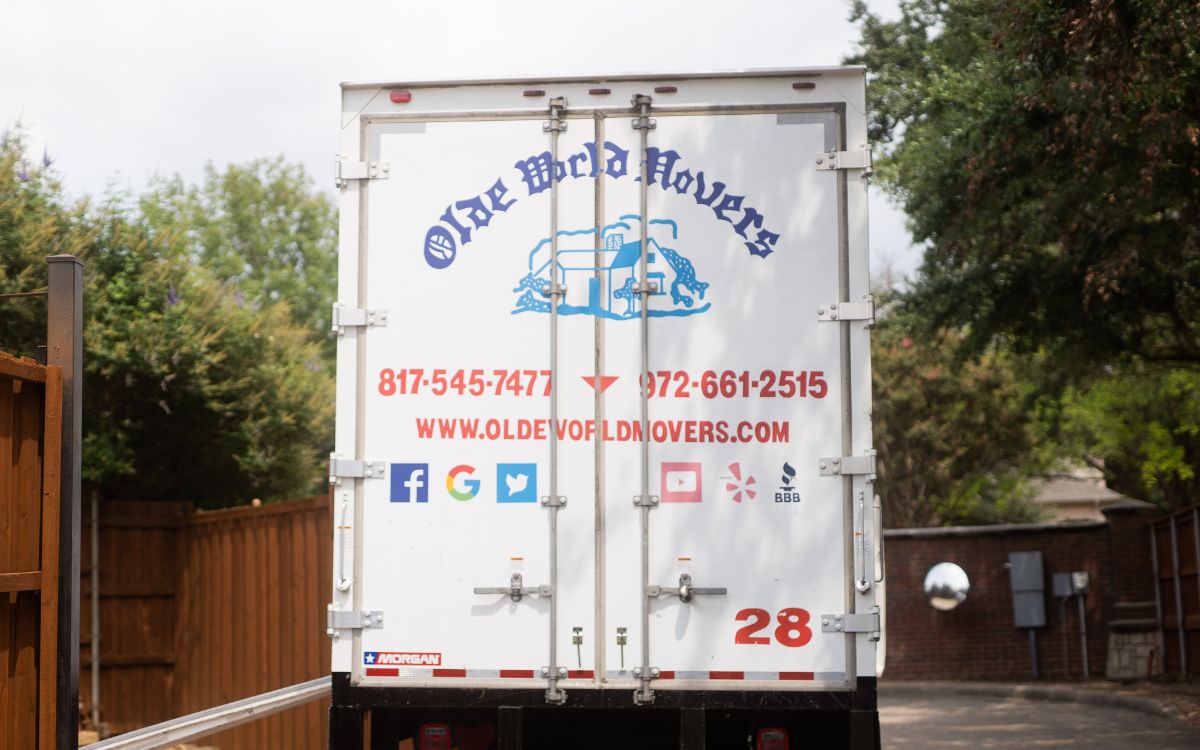
Contact Olde World Movers for a Free Art Moving Estimate
We have been trusted movers in Fort Worth, Frisco, Euless, Grapevine, Southlake, and beyond for over 30 years. Our team has extensive experience with:
- Fine art and sculpture transport
- Piano moving
- Antique furniture relocation
- Packing services and storage solutions
For more tips on moving valuable items, read our guides on keeping high-value items safe and moving art and valuables safely.
Ready to get started? Contact us for a free estimate at one of our two locations.
Frequently Asked Questions
How do I safely move a framed painting in Fort Worth?
Wrap the painting in acid-free glassine paper, add corner protectors, and double wrap in bubble film. Place it upright in a telescoping art box or custom crate. For extra security, hire professional art movers like Olde World Movers who specialize in fine art transport across DFW.
Should I use a regular moving company for fine art and antiques?
No. Most standard movers lack the tools, materials, and experience needed to protect high-value art or antiques. Choose a moving company that specializes in fine art and fragile item transport to prevent damage and loss.
What packing materials are best for transporting fine art?
The essentials are acid-free glassine paper, bubble wrap, corner and edge protectors, polyethylene foam sheeting, and custom crating. Each item should be wrapped individually and labeled clearly to prevent mishandling during loading and unloading.
Do you offer climate-controlled storage for fine art in Texas?
Yes. Olde World Movers provides both short-term and long-term climate-controlled storage in the Fort Worth and Euless area. Our facility protects artwork from humidity, heat, and environmental damage while you transition between spaces.
How do I insure my art during a move?
Get a professional appraisal and contact a fine art insurance provider such as AXA or Chubb. Many movers offer valuation coverage, but high-value items should be insured separately for the full replacement amount. Document the condition of each piece with photos before packing.
Can I get a free fine art moving quote in Fort Worth or Frisco?
Yes. Olde World Movers offers free, customized moving estimates for fine art, antiques, piano relocation, and more throughout Fort Worth, Frisco, Euless, and the DFW metroplex.
How do I pack large paintings for moving without damage?
For oversized paintings, use a telescoping art box or build a custom plywood crate with foam lining. Never roll oil or acrylic paintings. Wear cotton gloves when handling unframed canvas. For pieces wider than four feet, professional movers with lift gates and rigging equipment are the safest choice.