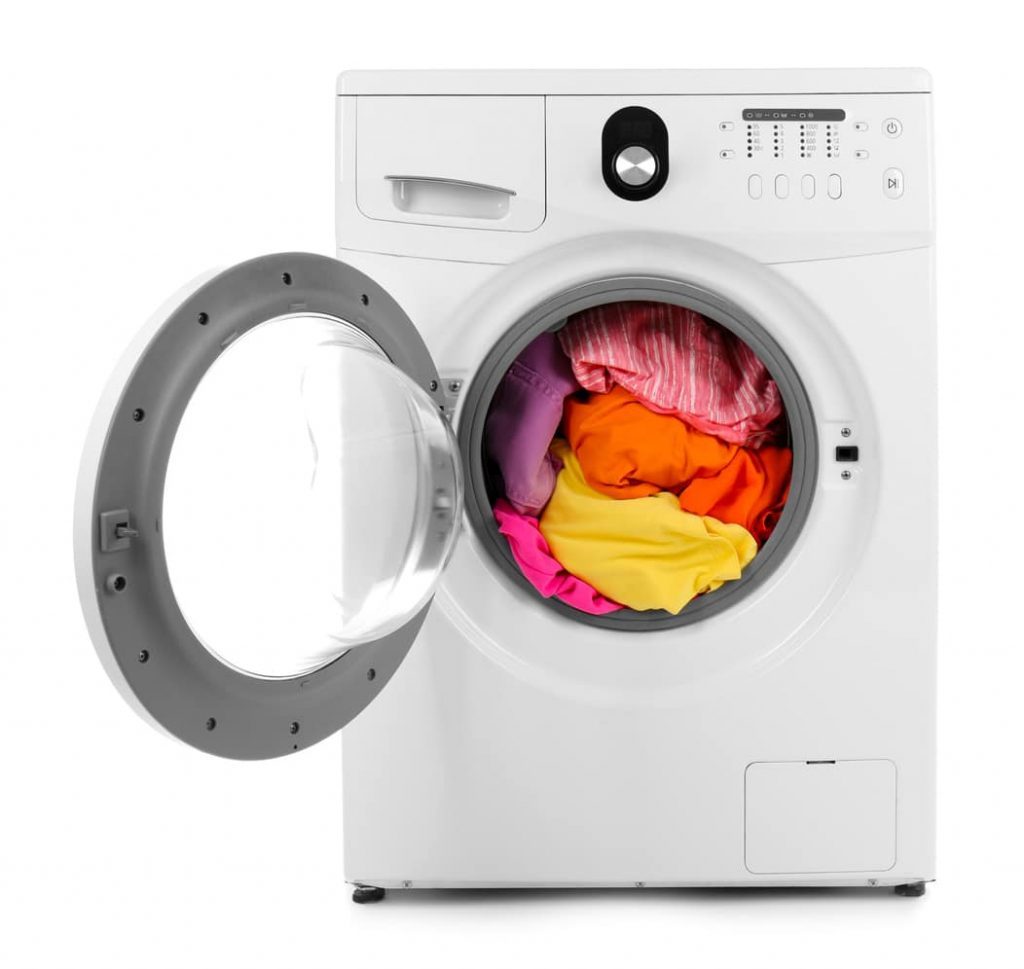
Moving a washing machine is one of the hardest parts of any relocation. These appliances weigh 150 to 200+ pounds, hold standing water, and have internal drums that break if they shift during transport. Skip one prep step and you risk leaks, dented floors, or a machine that never spins right again.
This guide walks you through every step. You will learn how to drain your washer, disconnect hoses, secure the drum, and load the appliance onto a truck. We also cover specific tips for front-load washers, what to do if you lost your transit bolts, and how to handle a washer-dryer set.
If you want to skip the heavy lifting, residential movers in Fort Worth can handle the whole job. But if you plan to do it yourself, follow the steps below.
How to Prepare a Washing Machine Before Moving Day
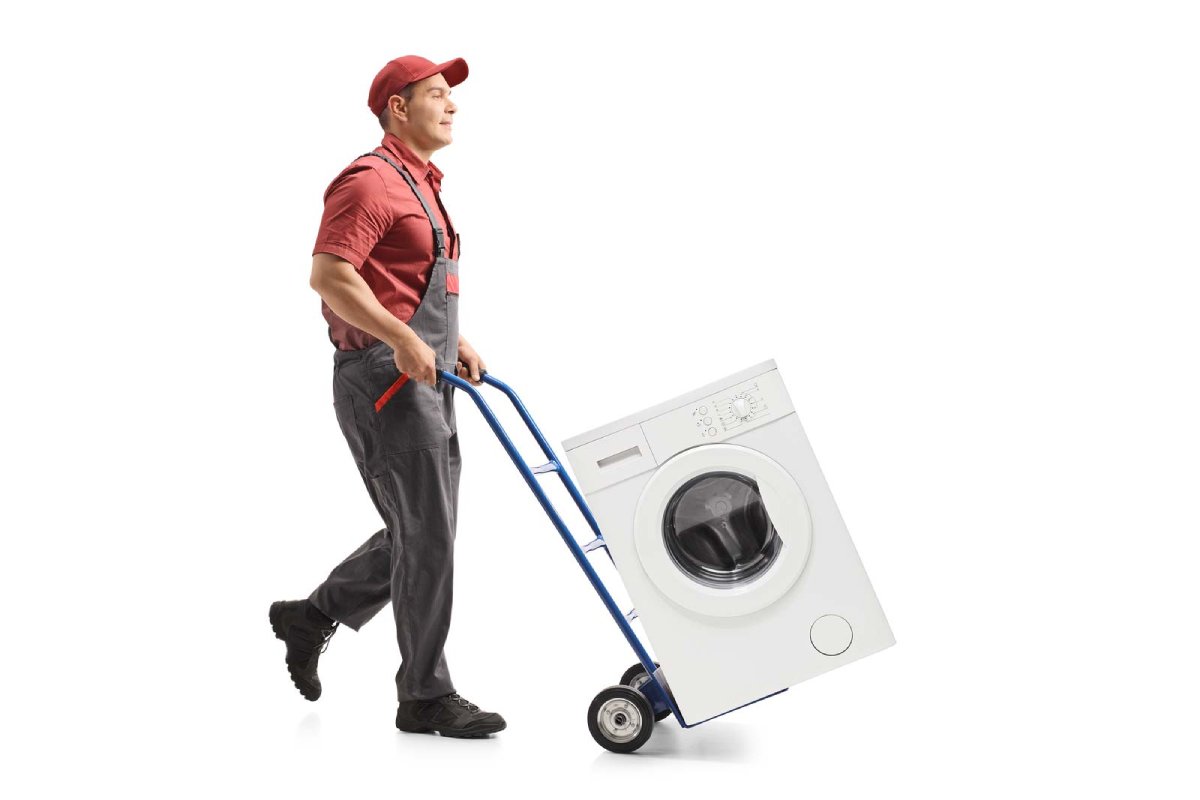
Moving a washer is not just about unplugging it and rolling it out the door. Proper prep protects the machine, your floors, and your back. Start these steps at least 24 hours before your move.
Read the Owner’s Manual First
Every washing machine model has different requirements. Some brands use specialized transit bolts that only fit one model. Others need specific wrench sizes for the hose connections. Check the manual for any warnings about tipping angles, water drainage ports, or warranty terms tied to self-moving.
If you lost the manual, most manufacturers post PDF versions on their websites. Search your brand name plus the model number printed on the inside of the door or on the back panel.
Gather Your Supplies
Before you start disconnecting anything, have everything ready:
- Bucket and old towels (to catch water from hoses and the drain filter)
- Adjustable wrench or channel-lock pliers (to disconnect supply hoses)
- Transit bolts or shipping bolts (to lock the drum in place)
- Appliance dolly with ratchet straps
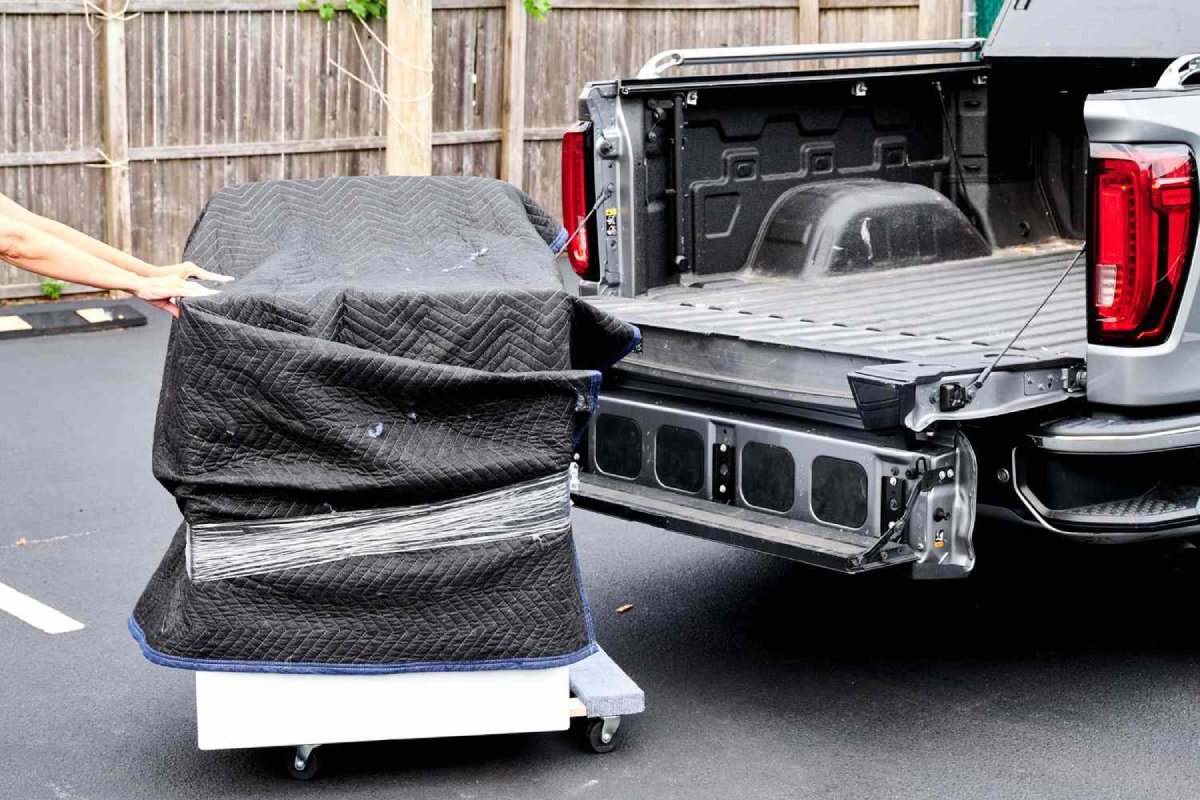
- Moving blankets or thick furniture pads
- Packing tape and stretch wrap
- Cardboard sheets (to protect flooring)
A washing machine moving kit, which includes transit bolts, hose caps, and a drum brace, costs around $15 to $30 from most appliance parts retailers. If you are working with Fort Worth movers, they bring the right tools and equipment with them.
Turn Off the Power and Unplug the Washer
Pull the plug from the wall outlet. Tape the power cord to the back of the machine with packing tape so it does not drag on the floor or catch on doorframes. If your washer is hardwired (no plug), call a licensed electrician to disconnect it before moving day.
Shut Off the Water Valves and Disconnect Hoses
Turn both the hot and cold water valves clockwise until they stop. Then disconnect each supply hose at the back of the washer using a wrench. Have a bucket ready because water will drain from the hoses when you remove them.
After removing the hoses, let them drain completely into the bucket. Wrap each hose in a towel or place it in a plastic bag to keep it clean. Toss the hoses and hardware into a labeled zip-lock bag and tape it to the washer so nothing gets lost.
How to Drain a Washing Machine for Moving
Standing water left inside a washer causes leaks during transport. It can also lead to mold and mildew, especially on longer moves. Here is how to drain it completely.
Run an Empty Drain Cycle
Set your machine to a quick spin or drain-only cycle with nothing inside. This pushes most of the water out through the normal drain line.
Empty the Drain Filter
Most front-load washers and many newer top-loaders have a small drain filter or clean-out port near the bottom front of the machine. Place a shallow pan or towel under it before you open it. Turn the filter cap slowly, because water will flow out. Let it drain fully, then remove any lint or debris from the filter itself.
Drain the Drain Hose
Disconnect the drain hose from the standpipe or wall connection. Lower the hose into a bucket and let gravity pull the remaining water out. Once it stops dripping, coil the hose and secure it with a zip tie or tape.
Tilt and Check for Trapped Water
Even after draining, some water can sit in low spots inside the pump or internal lines. With a helper, carefully tilt the washer forward a few inches over a towel. Let any remaining water run out. Then tilt it slightly to the other side to catch anything trapped on that end. This step is often missed, but it prevents surprise leaks inside the moving truck.
After all water is removed, leave the washer door open for several hours (or overnight if possible) to air dry the drum and gasket.
How to Secure the Drum with Transit Bolts
The drum inside a washing machine hangs on springs and shock absorbers. During normal use, that suspension lets the drum move freely. During a move, that same movement can crack the drum, snap the springs, or damage the motor mount.
Transit bolts (also called shipping bolts) lock the drum to the frame. They came with your washer when it was new. Check behind the machine, in a storage drawer, or with your original paperwork.
If You Lost Your Transit Bolts
Contact the manufacturer with your model number. Most sell replacement bolt kits for $10 to $25. You can also find them through appliance parts websites by searching your exact model number.
Moving without transit bolts is risky. If you cannot get bolts in time, stuff thick towels, blankets, or foam padding between the drum and the walls of the machine to limit movement. This is not as effective as bolts, but it is far better than nothing. Drive slowly and avoid rough roads.
How to Install Transit Bolts
- Locate the bolt holes on the back panel of the washer. There are usually three or four holes, sometimes covered with plastic caps.
- Remove the caps and set them aside.
- Insert each bolt and tighten it by hand first, then snug it with a wrench. Do not over-tighten.
- The drum should feel rigid when you push on it. If it still moves freely, check that the bolts are seated correctly.
Moving a Front-Load Washer vs. a Top-Load Washer
Front-load washers need extra care compared to top-loaders. The door seal (gasket) on a front-loader traps more water, the drum is heavier, and the weight distribution is different.
Front-Load Washer Tips
- Drain the door gasket. Pull back the rubber seal around the door opening and wipe out any pooled water with a towel. Mold grows quickly in this area, so dry it well.
- Secure the door. Use stretch wrap or a bungee cord to keep the door from swinging open during the move. Do not tape directly on the glass or the seal.
- Transit bolts are critical. Front-loaders have heavier drums mounted on a horizontal axis. Without bolts, the drum can slam into the interior housing during transport. This type of damage is often not covered under warranty.
- Weight distribution. Front-loaders are heavier at the front. When loading onto a dolly, tilt the machine backward to center the weight over the dolly wheels.
Top-Load Washer Tips
- Top-loaders are generally lighter and easier to balance on a dolly.
- Some older top-load models do not come with transit bolts. Check the manual. If yours does not use bolts, pack the drum with towels or moving blankets to reduce movement.
- Close and tape the lid shut so it does not catch on walls or doorframes.
How to Move a Washing Machine Safely
Once your washer is drained, dried, and bolted, it is time to move it. A standard washer weighs between 150 and 220 pounds, so the right equipment and technique matter.
Use an Appliance Dolly
A standard furniture dolly is not ideal for washers. An appliance dolly (also called a hand truck) has a taller back plate and a ratchet strap to hold the machine in place. You can rent one from most hardware stores for around $30 to $50 per day.
Slide the dolly under the side of the washer. Secure the ratchet strap around the machine. Tilt the dolly back and roll it forward on the wheels. Have a second person spot you and help guide the washer through doorways and down steps.
Use Moving Straps for Stairs
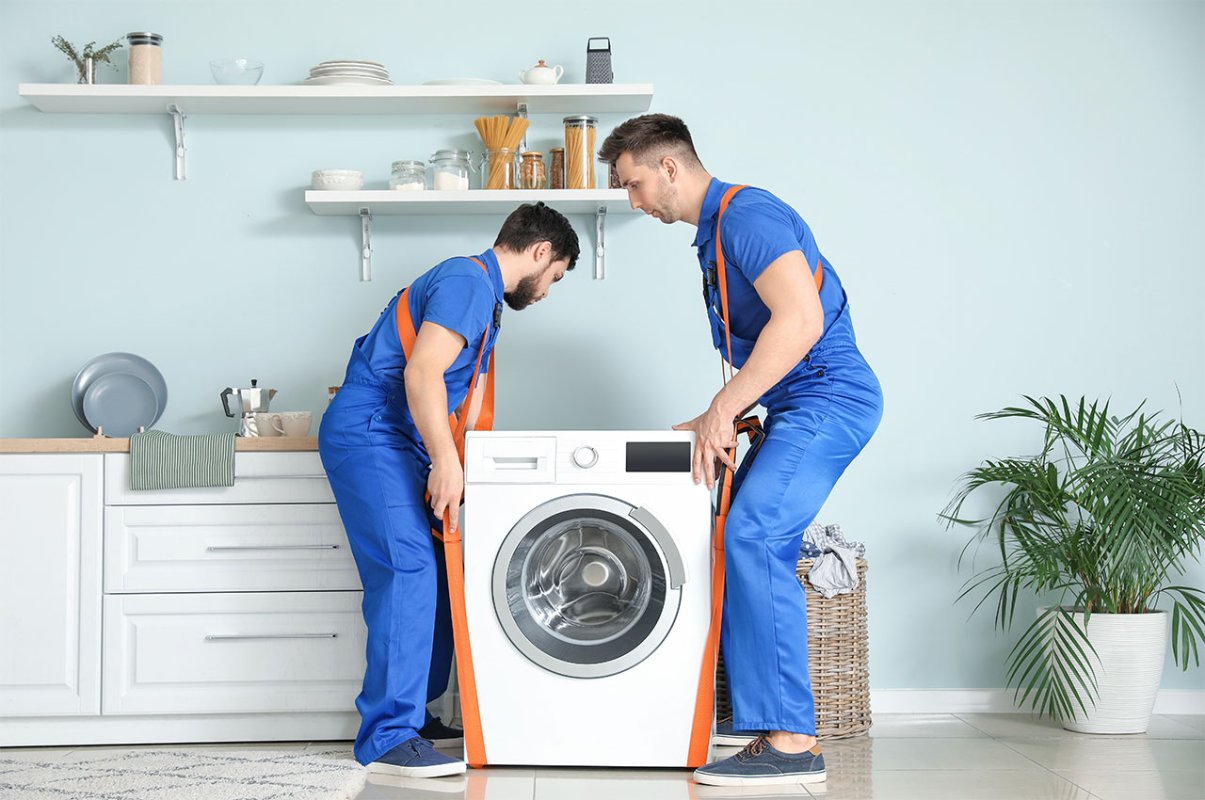
If you need to move the washer up or down stairs, shoulder-style moving straps distribute the weight between two people. These straps loop under the appliance and rest on your shoulders, turning a 200-pound lift into something two people can manage safely. Keep your back straight, bend at the knees, and take one step at a time.
Protect Your Floors and Walls
Lay cardboard or hardboard sheets along the path from the laundry room to the truck. Washers can dent hardwood, crack tile, and gouge vinyl if dragged. If you are moving through a home in the Fort Worth, Euless (76039, 76040), or Frisco (75033, 75034, 75035) area, many homes have tile or engineered wood floors that scratch easily under heavy appliances.
Use moving blankets to wrap the washer before rolling it through tight hallways. This protects both the machine and your walls.
Keep the Washer Upright During Transport
Never lay a washing machine on its side. This is one of the most common questions people ask, and the answer is clear: keep it upright at all times. Laying a washer on its side can cause the drum to shift off its mounting, oil from the motor to leak into the drum, or the suspension springs to unseat.
If your truck bed or moving vehicle makes upright transport impossible, tilt the machine onto its back as a last resort, not its side, and only for short distances. Reinstall it upright as soon as you arrive and wait several hours before running a cycle.
Secure the Washer in the Moving Truck
Place the washer against the wall of the truck with the back panel facing out. Use ratchet straps or heavy-duty bungee cords to anchor it to the truck wall tie-down points. Surround it with heavy boxes or other large items to prevent shifting. Do not stack anything on top of a washer.
How to Move a Washing Machine by Yourself
Moving a washer solo is doable but not ideal. If you must do it alone, follow these guidelines:
- Use an appliance dolly. This is not optional when working alone.
- Clear the entire path from the laundry room to the truck before you start.
- Remove doors from their hinges if the washer will not fit through the frame.
- Go slowly. Rushing causes tipped machines and injuries.
- Use a loading ramp for the truck. Trying to lift a 200-pound washer into a truck bed alone is a recipe for a back injury.
If you also need to move a dryer, heavy furniture, or pianos and antiques, the job quickly becomes more than one person should attempt. In those cases, hiring help is the practical choice.
How to Prepare a Washer and Dryer for Moving
Most people move their washer and dryer as a pair. While the washer needs the most prep, dryers have their own requirements.
Dryer Prep Checklist
- Gas dryers: Turn off the gas supply valve. Do not disconnect the gas line yourself. Call a licensed plumber or HVAC technician. Gas leaks are serious.
- Electric dryers: Unplug the 240-volt plug from the wall outlet. Tape the cord to the back of the machine.
- Clean the lint trap and exhaust duct. Built-up lint is a fire hazard and adds unnecessary weight.
- Disconnect the exhaust vent from the wall. Tape or bag the vent hose.
- Secure the dryer door with stretch wrap or tape.
Moving a Stacked Washer-Dryer Unit
If you have a stacked (unitized) washer-dryer combo, do not try to move it as one piece unless the manual says it is designed to be moved that way. In most cases, you should separate the dryer from the washer, move them individually, and re-stack at the new location.
The stacking bracket must be removed carefully. Keep the hardware in a labeled bag. These brackets are model-specific and expensive to replace if lost.
Setting Up Your Washer After the Move
After you arrive at your new home, proper setup prevents leaks and mechanical problems.
- Remove the transit bolts and store them in a safe place. You will need them again the next time you move.
- Plug in the caps that cover the transit bolt holes.
- Connect the hot and cold supply hoses. Hand-tighten the connections, then give them a quarter turn with a wrench. Over-tightening can strip the threads.
- Attach the drain hose to the standpipe or wall connection.
- Plug in the power cord.
- Turn on the water valves and check for leaks at every connection.
- Run an empty cycle on the hottest setting. This flushes out any residue and confirms the machine is working correctly.
- Level the machine by adjusting the feet. An unlevel washer vibrates, walks across the floor, and wears out faster.
Preparing Your Washer for Storage
If you are not moving straight into your new home, you may need to store your washer for a while. Olde World Movers offers climate-controlled storage in Euless that protects appliances from humidity, rust, and temperature swings.
To prep a washer for storage:
- Follow all the drain and dry steps above. Any moisture left inside will turn into mold.
- Leave the door and detergent drawer slightly open to allow airflow.
- Cover the machine with a moving blanket or breathable fabric. Do not use plastic wrap for long-term storage, because it traps moisture.
- Store the washer upright, never on its side or back.
Frequently Asked Questions
How do I prepare my washing machine for moving?
Unplug the machine, shut off the water valves, disconnect the supply hoses, drain all water from the drum and filter, install transit bolts, and tape the cords and hoses to the machine. Leave the door open to air dry the interior overnight if possible.
Can I move a washing machine without transit bolts?
It is not recommended. Transit bolts lock the drum in place and prevent damage to the suspension, springs, and motor mounts. If you do not have bolts, stuff the drum with thick towels or blankets and drive slowly. Order replacement bolts from the manufacturer using your model number.
Can you lay a washing machine on its side to transport it?
No. Laying a washer on its side can unseat the drum, damage suspension springs, and allow oil to leak into the drum. Always transport a washer upright. If that is not possible, tilt it onto its back for short distances only.
How do I drain a washing machine before moving?
Run an empty drain cycle, then open the drain filter at the bottom of the machine (have a pan ready). Disconnect the drain hose and let water flow into a bucket. Finally, tilt the washer gently to release any trapped water in the pump or lines.
How much does a washing machine weigh?
A standard top-load washer weighs 125 to 175 pounds. A front-load washer weighs 150 to 220 pounds. The exact weight depends on the brand, model, and drum material (stainless steel drums weigh more than plastic).
Should I move the washer and dryer together?
Move them separately, even if they sit side by side. Each appliance has different prep steps, especially if one uses gas. If you have a stacked unit, separate the dryer from the washer before moving unless the manufacturer says otherwise.
Do professional movers disconnect and reconnect washing machines?
Most full-service moving companies in Fort Worth will disconnect, transport, and reconnect standard washers and dryers. Gas line disconnection usually requires a licensed technician. Ask your mover what their policy covers when you request your free estimate.
How do I keep my washing machine from moving during transport?
Use ratchet straps to anchor the washer to the truck wall. Install transit bolts to secure the drum. Wrap the machine in moving blankets. Surround it with heavy items to prevent it from sliding. Do not stack anything on top.