Leaving a home vacant after a move can create unexpected risks.
Whether you’re going on a long vacation or just sold your home, it’s important to protect your property when you aren’t there.
A vacant house has a higher risk of burglary than an occupied one. Water damage, mold, pest infestations, and vandalism can also happen when no one is around to catch problems early. The last thing you want to deal with when moving or going on an extended trip is damage to your empty house.
As one of the most trusted Fort Worth movers, Olde World Movers has seen firsthand how stressful it can be for homeowners to juggle both moving and protecting their old property.
The good news is that it’s fairly easy to keep your vacant home protected. Here are some helpful tips.
Install a Monitored Alarm System Before You Leave
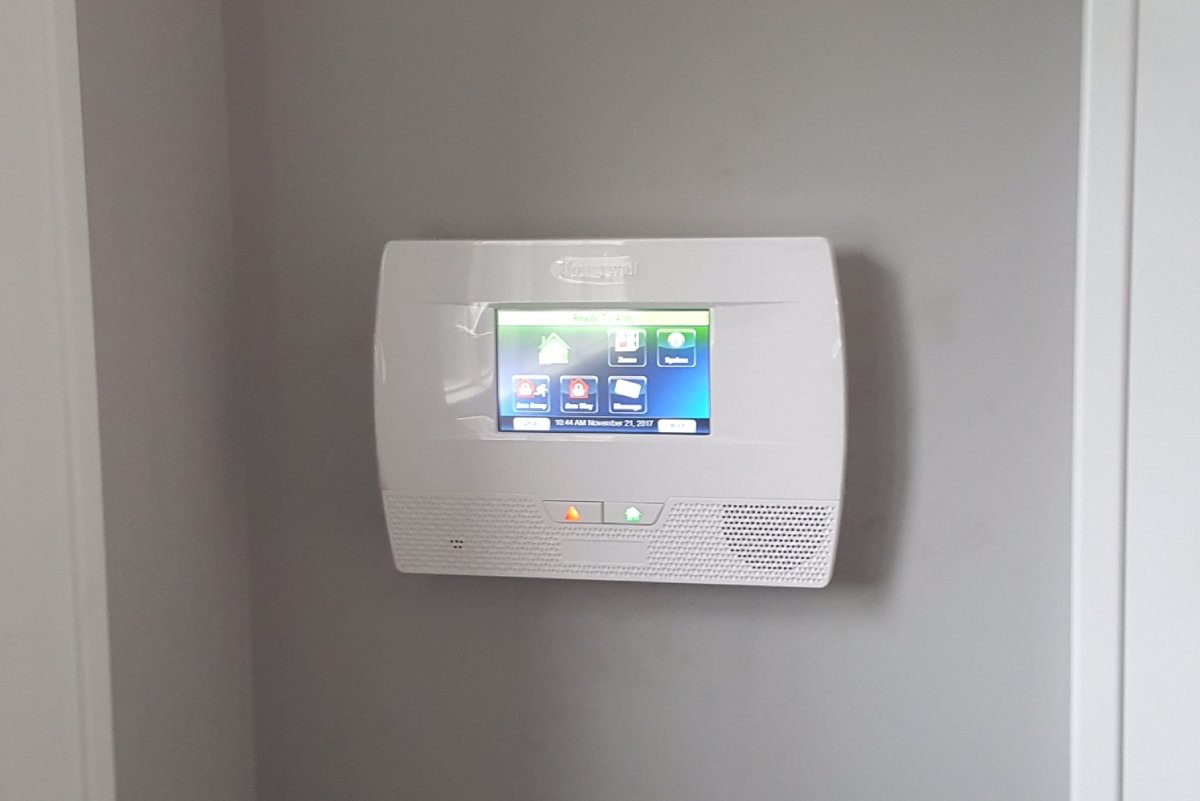
Investing in an alarm system will give you peace of mind, plus it will save you money on your insurance policy. Continued monitoring services may include fire alarms, which means the security company will alert the fire department if necessary. You also don’t have to worry about theft after moving and before the new owners move in.
Empty homes without signs of occupancy are prime targets for burglars. A visible, monitored security system helps deter most intruders.
- Choose monitored systems. Opt for 24/7 monitored alarm systems that notify local authorities in Fort Worth or neighboring cities like Frisco and Euless when triggered.
- Install sensors on all entry points. Cover doors, windows, and even garage entrances.
- Use visible signage. A sign in the yard from a well-known alarm provider is often enough to discourage unwanted entry.
- Add smart locks with remote access. These let you grant entry to inspectors, agents, or your local contact without leaving a spare key under the mat.
Many Fort Worth residents work with companies that integrate smoke detectors, water sensors, and smart locks into the same system. This protects against fire, flooding, and other emergencies in one package. For homeowners relocating long-distance, remote monitoring keeps you informed even if you’ve moved hundreds of miles away.
Be sure to tell your alarm company before you leave, and give them a list of approved people who may enter the premises. Ask about “vacant home” monitoring plans, which some providers offer at a reduced rate.
Install a Programmable Thermostat
Regulating your home temperature when you’re away can prevent your interior pipes from bursting in the winter and keep hardwood in the house from swelling in summertime. Many thermostats are available with Wi-Fi, which allows you to program them from your phone. This way, no matter where you are, the home will be at the right temperature.
Security isn’t the only concern for a vacant home. Temperature control prevents costly damage too:
- Winter freezes can burst pipes in areas of North Texas where cold snaps occasionally hit.
- Hot summers in Fort Worth can cause wood to swell, warp floors, and damage finishes.
Installing a smart thermostat allows you to:
- Maintain safe, consistent interior temperatures.
- Adjust settings remotely from your smartphone.
- Receive alerts if temperatures spike or drop unexpectedly.
What Temperature Should You Keep an Empty House At?
This is one of the most common questions homeowners ask. The answer depends on the season.
In winter, set the thermostat to at least 55°F. This is the minimum needed to keep interior pipes from freezing. North Texas doesn’t get prolonged deep freezes every year, but a single hard freeze can burst pipes and cause thousands of dollars in water damage. The February 2021 winter storm proved that for homeowners across the DFW Metroplex, including neighborhoods in Fort Worth (76102, 76107, 76109), Euless (76039, 76040), and Frisco (75033, 75034, 75035).
In summer, keep the thermostat at 85°F or lower. Texas heat causes humidity to climb in a closed house. High humidity leads to mold growth, which can start forming within 48 hours. It can also warp wood floors, blister paint, and damage finishes.
A one-time investment in a Wi-Fi thermostat can save thousands in repairs. This is especially important if you’ve moved into a new home but haven’t yet sold your previous property.
Utilize Exterior Lighting and Cameras
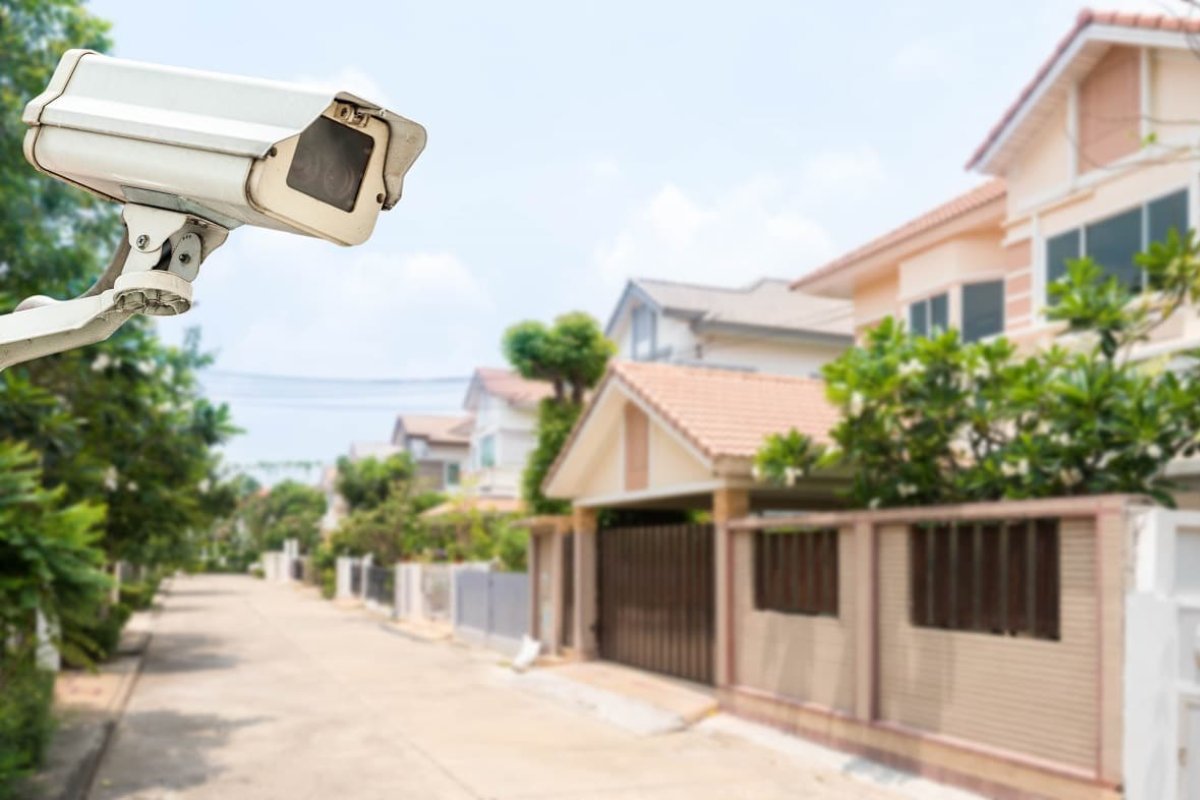
Install exterior lighting and cameras on your home and on any detached garages and sheds. When you keep these lights on a timer, it looks as if someone is home. This also increases visibility around the house so you don’t become a target for potential thefts.
A dark, unlit home at night signals vacancy. Lights and cameras remove that signal.
- Install motion-activated lights around the perimeter, garage, and back entryways. LED models run on little electricity and last for years.
- Add security cameras that allow remote viewing. Many affordable systems now connect directly to your phone for under $100.
- Use timers for indoor lights so the home appears occupied at night. Stagger the schedule: set a living room lamp to turn on at 6 PM and off at 10 PM, then a bedroom light from 9 PM to 11 PM. This mimics a real occupancy pattern.
In busy areas like Downtown Fort Worth, where passersby quickly notice darkened homes, this strategy is especially effective. Even in quieter residential neighborhoods such as Benbrook or Colleyville, cameras and lights provide visible deterrents.
Have a Local Contact for Home Check-Ins
Make sure to have a local contact in place who can regularly check up on your house. This has two benefits: it gives the illusion someone is there, and it gives you a lookout for any potentially damaging problems or threats. A family friend or neighbor would be able to let you know right away if a pipe burst and has flooded the downstairs, or if a window has been smashed.
Even the best technology can’t replace a human presence. Ask a trusted neighbor, friend, or family member in the Fort Worth area to keep an eye on your vacant home.
Their responsibilities might include:
- Collecting mail or packages so they don’t pile up. A stuffed mailbox tells everyone the house is empty.
- Checking that windows and doors remain locked.
- Walking the perimeter to look for storm damage, broken windows, or signs of pest entry.
- Flushing toilets and running faucets for 30 seconds. This keeps drain traps full so sewer gas doesn’t back up into the house.
- Watering plants or monitoring the yard for overgrowth. Tall grass and untrimmed hedges signal vacancy.
- Reporting any suspicious activity or maintenance issues.
If you’ve relocated long-distance, having a local contact can give you the confidence that your home is safe until it’s occupied again. If you don’t have someone nearby, consider hiring a home watch service. Several operate in the DFW area and typically charge between $50 and $150 per visit.
Protect Entry Points and Prepare the Home Before Leaving
There are simple things you can do, such as replace worn locks and close blinds to protect your home while you’re away or after you’ve moved. Be sure to place strong locks on all exterior doors to guard against an easy break-in. Position your blinds so natural light can stream in as an added deterrent to intruders.
Before you lock the door one final time, take a few key steps to secure and prepare your vacant home:
- Reinforce locks. Upgrade to deadbolts rated ANSI Grade 1 or Grade 2 on all exterior doors.
- Secure windows. Install locks or secondary devices like window pins on sliding and double-hung windows.
- Close blinds and curtains. Prevent strangers from peeking inside to see whether the home is furnished or empty.
- Shut off unnecessary utilities. Reduce risks of leaks or electrical issues, but keep essentials (like power for lights and thermostat) active. See the utility management section below for details.
- Remove valuables. Don’t leave electronics, artwork, jewelry, or prescription medications behind in an empty house.
- Seal pet doors. Intruders have used doggy doors to reach inside and unlock deadbolts.
- Unplug non-essential appliances. This prevents electrical fires and reduces phantom power draw.
These steps reduce temptation and limit the likelihood of property damage.
Manage Utilities at a Vacant Home
Deciding what to do with utilities when your house is vacant takes some thought. Shutting everything off saves money but creates other risks.
Keep on:
- Electricity. Powers your alarm system, cameras, thermostat, and timed lights. Without it, your entire security setup goes dark.
- Water supply (with caution). If the home will be vacant for more than 30 days and no one is checking on it, consider shutting off the main valve. A slow leak in an empty house can go undetected for weeks.
- Wi-Fi or cellular service for smart home devices that rely on internet connectivity.
Turn off or reduce:
- Gas supply if no gas appliances are running. Contact your provider to place the account on a “vacation hold” rather than full disconnection. This avoids reconnection fees.
- Trash and recycling service. No need to pay for pickups at an empty house.
- Cable and streaming services tied to the address.
Contact each utility provider before your move date. Ask about vacant property rates or seasonal hold options. Most Texas utility companies, including Oncor and Atmos Energy, offer temporary service reductions.
Look Into Vacant Home Insurance in Texas
Standard homeowners insurance often reduces or drops coverage after a home has been vacant for 30 to 60 days. Check your policy before the vacancy begins. If your property will sit empty for longer than that window, you may need a vacant home insurance policy or a vacancy endorsement added to your existing plan.
Vacant home insurance in Texas typically covers:
- Fire and smoke damage
- Vandalism and theft
- Weather events, including wind and hail
- Liability if someone is injured on the property
Premiums for vacant home policies run higher than standard homeowners insurance because the risk is greater. Expect to pay 50% to 150% more than your normal premium. Going without coverage on an unoccupied property, however, is a much bigger financial risk.
Talk to your insurance agent before the home sits empty. Some carriers will not write a new policy after the vacancy has already started.
Maintain Curb Appeal So the Home Doesn’t Look Vacant
An overgrown yard, yellowed lawn, or pile of newspapers on the porch all signal an empty house. Keeping up basic exterior maintenance makes a noticeable difference.
- Schedule lawn care every two weeks, or ask your local contact to handle mowing.
- Use a seasonal planting schedule so front beds don’t look neglected.
- Park a vehicle in the driveway if possible. Even an older car creates the impression someone is home.
- Forward your mail through USPS and cancel newspaper delivery.
- During holidays, put up minimal seasonal decor. A wreath on the door or a porch light with a warm bulb goes a long way.
These small steps signal to passersby, delivery drivers, and potential intruders that someone is paying attention to the property.
Choose Olde World Movers for Your Next Relocation in Fort Worth
At Olde World Movers, we do more than handle the heavy lifting. As a moving company in Fort Worth, TX with decades of experience, we understand the challenges of leaving a home vacant and the stress of relocating to a new place.
Our team provides:
- Local residential moves within Fort Worth and across North Texas.
- Long-distance moving services for families relocating out of state.
- Commercial moves for offices, retail, and business clients.
- Packing services to protect your belongings from start to finish.
- Piano and antique movers for fragile, high-value items.
- Short- and long-term storage in secure, climate-controlled facilities.
Whether you’re moving from a historic neighborhood near the Fort Worth Stockyards, a modern apartment in Sundance Square, or a family home in Frisco or Euless, our movers are here to help.
Final Thoughts on Protecting a Vacant Home After Moving
Protecting a vacant home after moving doesn’t need to be complicated. Combine a monitored alarm system, smart thermostat set to the right temperature, exterior lighting, regular check-ins, proper insurance, and basic curb appeal. Together, these steps keep your property safe until it’s sold or reoccupied.
When it comes to your next relocation, Olde World Movers is proud to serve families and businesses throughout Fort Worth, Frisco, Euless, and the greater North Texas area.
Get a Free Moving Estimate in Fort Worth Today
Contact Olde World Movers today for your free Fort Worth moving estimate. We handle local and long-distance relocations with the care your belongings deserve.
Frequently Asked Questions
How do I protect my vacant home after moving out?
Install a reliable alarm system, use a smart thermostat set to safe temperatures (55°F minimum in winter, 85°F or lower in summer), add exterior lighting and cameras, and ask a trusted local contact in Fort Worth to check in regularly. Prepare entry points with deadbolts and window locks, and remove all valuables before you leave.
What temperature should I keep a vacant house at?
Set the thermostat to at least 55°F in winter to prevent frozen pipes, and no higher than 85°F in summer to control humidity and protect wood floors and finishes. A Wi-Fi thermostat lets you monitor and adjust from anywhere.
Do I need vacant home insurance in Texas?
Most standard homeowners policies limit or exclude coverage after 30 to 60 days of vacancy. A vacant home insurance policy or vacancy endorsement covers fire, theft, vandalism, and liability while the property is unoccupied. Talk to your insurance agent before the vacancy period begins.
What should I do with utilities when my house is vacant?
Keep electricity, water (with caution), and internet active to support your alarm system, thermostat, cameras, and smart devices. Turn off or reduce gas, trash, and cable services. Ask utility providers about vacation hold or vacant property rates to lower costs.
Why is it important to secure a vacant home in Fort Worth, TX?
Vacant homes in Fort Worth can attract burglars and vandals. They can also suffer damage from extreme Texas weather, including winter freezes that burst pipes and summer heat that causes mold and warped floors. Securing your home with alarms, lighting, temperature control, and regular check-ins helps prevent crime and costly repairs.
What smart technology can help protect an empty house?
Smart thermostats, Wi-Fi security cameras, app-controlled alarm systems, and smart locks allow homeowners to monitor and control their vacant properties remotely. These devices are especially useful if you’ve moved long-distance but still own a home in North Texas.
How can Olde World Movers help with a secure relocation?
Olde World Movers is a licensed, bonded, and insured moving company in Fort Worth offering local residential moves, long-distance moving, commercial moves, piano and antique movers, packing services, and climate-controlled storage. Our team handles your belongings with care so you can focus on securing your old property.
Where does Olde World Movers provide moving services?
Olde World Movers serves Fort Worth, Frisco, Euless, and the surrounding North Texas area, including Arlington, Keller, Grapevine, and Southlake. Whether you need local movers or long-distance relocation, we’re ready to help.