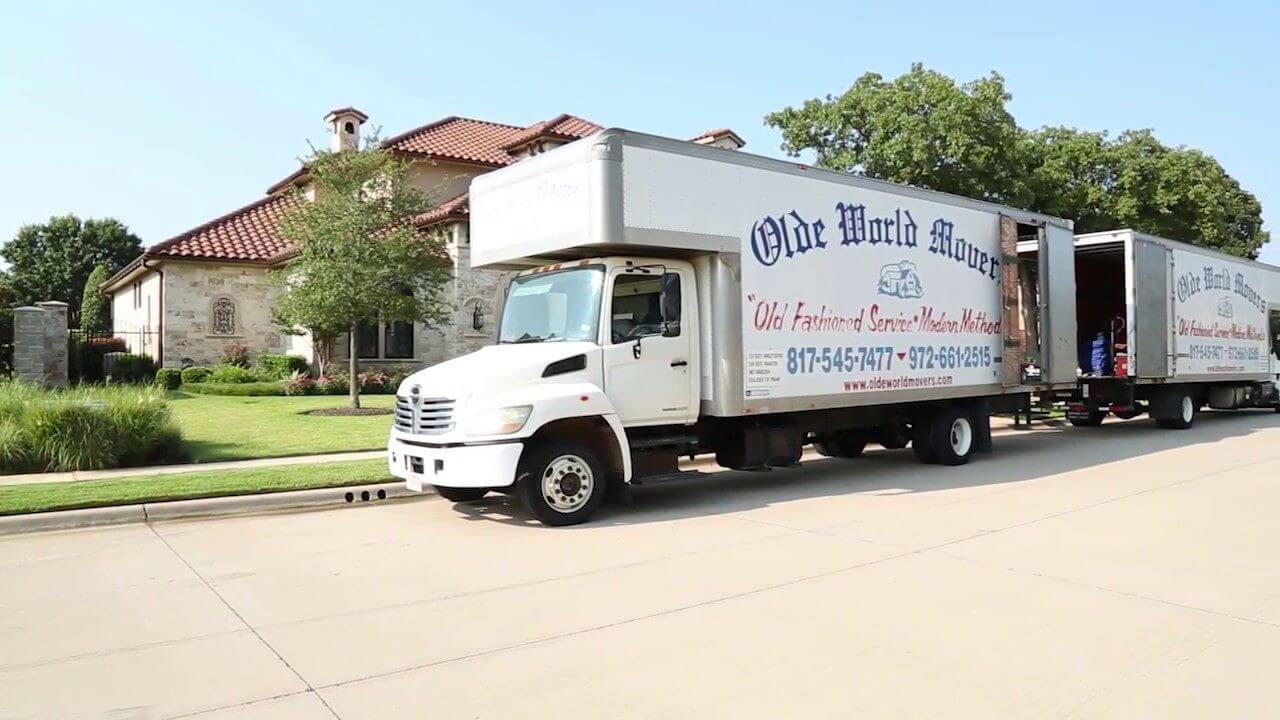
A Frisco move starts with hiring the right residential mover. Frisco sits in Collin and Denton counties and is now home to more than 245,000 people, according to the city’s own population estimates. It is still growing fast. That means plenty of moving companies compete for your business, and they are not all the same.
The right mover makes the whole process easier. The wrong one costs you money, time, and in the worst cases, your belongings. So do your homework before you sign.
Ask every Frisco mover on your list these nine questions. Start with the first one. It matters more than the other eight.
1. Are You Licensed to Move Household Goods in Texas?
This is the first question, and it is not optional. Texas law requires movers to hold an active license with the Texas Department of Motor Vehicles to move household goods inside the state. Operating without one is illegal.
Ask for the TxDMV certificate number, then verify it yourself. Search the Truck Stop Motor Carrier Lookup on the TxDMV consumer moving page. An “Active” status means the mover is licensed.
Moving out of state instead? That move is federal. The company needs an active USDOT number, which you can check at protectyourmove.gov.
While you are at it, ask for proof of liability and cargo insurance, and read the review and complaint history. A licensed mover hands all of this over without flinching. A company that dodges the question just answered it.
2. Are You a Moving Company or a Broker?
Many companies that sell you a move never touch your furniture. Brokers take your booking, then sell the job to whichever carrier bids lowest. You researched one company and a different one shows up.
Brokers are not automatically bad, but you deserve to know who you hired. Ask directly:
- Are you a carrier or a broker?
- Will your own employees handle my move, or do you subcontract?
- If you subcontract, which company shows up, and what is their license number?
Then vet that company too. You want the people loading your things to be the ones you checked out.
3. Who Will Be My Main Contact Point?
Most moving companies assign you a coordinator. This person handles the logistics, tracks payment, reminds you of key dates, and keeps the move on schedule.
Get their direct phone number. You will want it on the morning of the move, when a question comes up and you need an answer in the next five minutes. Tell them about any changes on your end, and expect the same from them.
4. Beyond the Estimate, What Are the Extra Costs?
Get an itemized written quote covering every charge. Then read it. But first, ask what kind of estimate you are getting, because the type decides who eats the overage.
- Binding estimate. A fixed price. It does not change unless you add items or services.
- Non-binding estimate. A best guess. Your final bill can land higher.
- Not-to-exceed estimate. A price ceiling. Texas rules require licensed movers to give you a written proposal with a not-to-exceed price.
On an interstate move with a non-binding estimate, federal rules cap what the mover can collect at delivery at 110% of the estimate. Know that number before the truck shows up.
Then hunt the add-ons. Common ones include:
- Stairs, long carries, and elevator use
- Shuttle fees when a full-size truck cannot reach your door
- Bulky or specialty item charges for pianos, safes, and pool tables
- Packing materials and empty box pickup
- Fuel surcharges
Frisco adds its own wrinkles. Many neighborhoods run through HOAs or gated communities, and plenty of buildings demand a certificate of insurance from your mover before they allow the move at all. Ask about it early. A licensed mover produces a COI in a day. An unlicensed one cannot produce it at all.
Ask two more things. Does the company do an in-home or video survey before quoting? A quote given sight unseen is a guess. And what is the deposit and cancellation policy? A large cash-only deposit up front is a red flag, not a booking fee.
5. When Will My Stuff Be Delivered?
In a perfect world your belongings arrive when you do. That is not how it always works, and nobody wants to sit in an empty house waiting on a truck.
Ask for the delivery window in writing. You should get one once everything is loaded. Local moves are usually easy to pin down. Long-distance moves get trickier, but a good mover still commits to a window.
Then ask the follow-up most people skip. What happens if you run late? A company with a real answer has a real process. A company that shrugs does not.
6. What Won’t You Ship?
Movers cannot take everything. Some items are barred by law. Others simply do not belong on a truck. Expect your mover to refuse:
- Gasoline, propane, paint, aerosols, and cleaning chemicals
- Ammunition and fireworks
- Plants and perishable food
Separately, some things belong in your car, not the truck. Carry cash, jewelry, documents, and small valuables yourself. Set the do-not-pack pile aside and label it before moving day, so nothing gets loaded by mistake.
7. What Valuation Coverage Do You Offer?
This question saves people the most money, and almost nobody asks it correctly. Start with the vocabulary, because two different things get called “moving insurance.”
Valuation is the mover’s legal liability for your belongings. Your mover offers it. Insurance is a separate policy from an insurance company. You can buy that too, but it is not the same product.
Movers offer two levels of valuation:
- Released value protection. Free, and it is the legal minimum. The mover owes you 60 cents per pound, per article. That rate applies to moves inside Texas and to interstate moves. Run the math: a 50-pound TV that cost you $1,500 pays out $30.
- Full value protection. Costs extra, and your mover sells it. The mover must repair the item, replace it, or pay you its current value. On interstate moves, federal rules set the minimum declared value at $6.00 per pound times your shipment weight. Deductibles can lower your cost.
Two things to get right. On an interstate move, full value protection applies automatically unless you sign away down to released value. Read the bill of lading before you initial it. And if you own items worth more than $100 per pound, like jewelry, art, or furs, list them in writing on a high-value inventory form. Skip that step and your mover’s liability on those items can drop back to 60 cents a pound.
Ask your mover to put your valuation choice in writing before loading day. Compare their coverage options against what your belongings are actually worth.
8. What Services Do You Offer?
Never assume. Full-service movers handle most of it: packing, storage, loading and unloading, local and long-distance moves, commercial moves, piano and fine art moves, custom crating, and furniture assembly.
Others keep it simple with labor-only jobs and local moves. Neither is wrong. But if you own a baby grand or a gun safe, confirm the crew has moved one before and owns the right equipment. Ask before you hire, not on moving day.
9. What Happens If Something Gets Damaged?
Even good crews have bad days. Ask how the claims process actually works before you need it.
Find out who you call, what proof they want, and how long a payout takes. Then note the deadlines, because they are hard cutoffs:
- Moves inside Texas: file a written claim with your mover within 90 days of delivery. If you cannot settle it, TxDMV offers free mediation.
- Interstate moves: federal rules give you nine months to file a written claim.
One more habit worth building. Do not sign a delivery receipt that releases the mover from liability. If you see that language, strike it out before you sign.
Frisco Movers FAQs
What is the most important question to ask a mover?
Ask whether they are licensed. Any company moving household goods inside Texas must hold an active TxDMV license. You can verify it yourself, free, in the TxDMV Truck Stop database.
What are movers liable for if they break something?
Basic released value protection pays 60 cents per pound, per article. A 50-pound TV pays out $30 no matter what you paid for it. Full value protection costs extra and covers repair or replacement.
Is moving valuation the same as moving insurance?
No. Valuation is your mover’s liability, and your mover provides it. Insurance is a separate policy sold by an insurance company. You can carry both.
How do I know if a moving company is a broker?
Ask directly. Brokers book your move, then sell the job to another carrier. Ask who will physically show up and get that company’s license number too.
Should I pay a large deposit up front?
Be careful. A big cash-only deposit is a common red flag. Ask about the deposit and cancellation policy in writing before you book.
Get a Free Estimate from Your Frisco Movers
Ask us all nine. We will answer every one and show you the paperwork. Olde World Movers is licensed (TX-DMV: 006273576c) to move household goods in Texas.
Frisco is one of our main service areas, and we cover the surrounding cities too, including Plano, McKinney, and Allen.
Call (817) 854-4068 for your free estimate, or request a quote online. Have a question first? Contact us and ask away.